Commercial Flat Roof Installation Process for Office Buildings
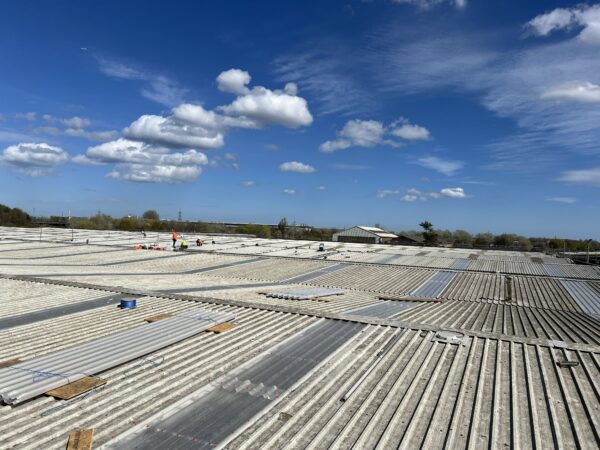
Commercial Flat Roof Installation: A Guide for Office Buildings
Installing a new flat roof on an office building involves more than choosing a waterproofing system. The condition of the existing roof, insulation requirements, drainage and the impact of the work on daily operations all need to be considered.
At DVC Commercial Roofing, we provide flat roofing solutions for offices and commercial properties across the UK, helping businesses find suitable systems for their buildings and long-term requirements.
Whether you’re planning a complete replacement or upgrading an existing roof, understanding the installation process can help you make informed decisions.
Why Is Professional Roof Installation Important?
A roof protects the building, its occupants and everything inside it. Poor installation or unsuitable materials can lead to water ingress, heat loss and ongoing maintenance problems.
A properly installed system can help to:
- Prevent leaks and internal water damage.
- Improve insulation and thermal performance.
- Reduce the need for ongoing repairs.
- Protect the building’s long-term condition.
- Maintain a safe and comfortable working environment.
For occupied office buildings, preventing roofing problems is particularly important, as even a small leak can affect equipment, staff and daily operations.
Choosing the Right Flat Roofing System
The most suitable system will depend on the building, existing roof structure, budget and performance requirements. Common options include:
Built-Up Felt Roofing
Built-up felt, also known as reinforced bitumen roofing, uses multiple layers to create a durable waterproof covering. It remains a popular choice for commercial properties due to its established performance and suitability for many flat roof designs.
Single-Ply Roofing Membranes
Single-ply membranes provide a lightweight waterproof covering, making them suitable for many large commercial roofs. They offer flexibility in installation and can form part of wider energy-efficiency improvements.
Liquid-Applied Roofing
Liquid-applied systems are particularly useful for roofs with complex shapes, multiple penetrations or difficult detailing. Once cured, the coating creates a continuous waterproof membrane, helping protect vulnerable areas from water ingress.
Roofing and Solar Panel Compatibility
Businesses considering solar panels should factor this into their roofing plans. The roof needs to accommodate the additional loading, and the waterproofing system must be suitable for the proposed installation.
Flat Roof Installation Process
Although every project is different, a typical installation involves several key stages.
Initial Roof Survey
Before work begins, the existing roof should be assessed to identify damage, drainage issues and any underlying structural concerns. The survey also helps establish whether the existing covering can be overlaid or whether a complete replacement is necessary.
Find out more about commercial roof surveys.
Specification and Planning
Following the survey, the appropriate roofing system can be selected. Considerations include insulation, building use, budget, roof design and expected performance.
Planning also involves agreeing access arrangements, timescales and health and safety measures, particularly where the office will remain occupied.
Preparing the Existing Roof
Depending on the condition of the existing covering, preparation may involve removing old materials, repairing the substrate or preparing the surface for an overlay.
Any underlying defects should be addressed before the new system is installed.
Installing the New Roof
The installation will depend on the chosen materials and specification. This may involve fitting insulation, apply waterproofing layers and complete details around roof edges, outlets and service penetrations.
These areas require particular attention, as poorly finished joints and drainage points can become vulnerable to leaks.
Final Roof Inspection
Once installation is complete, the finished roof should be inspected to check the workmanship, waterproofing details and drainage arrangements.
Relevant product information, warranty documentation and maintenance recommendations should also be provided.
Minimising Disruption During Roof Installation
For office buildings, roofing work needs to be carefully coordinated around staff, tenants and daily operations.
Where a building remains occupied, practical measures may include:
- Phasing the work to manage disruption.
- Agreeing safe access arrangements.
- Managing noise and working hours.
- Maintaining clear routes for staff and visitors.
- Keeping building management informed of progress.
Good communication between the roofing contractor and property management team helps ensure the project runs as smoothly as possible.