
The Growing Challenges of Public-Sector Roof Maintenance
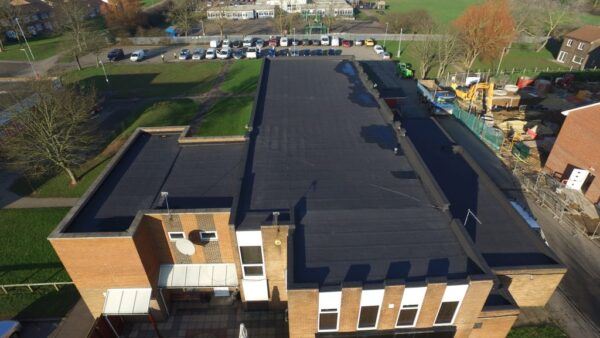
Roof Maintenance Across the Public Sector
Maintaining public-sector buildings presents a unique challenge. Schools, hospitals, healthcare facilities, council offices, libraries, leisure centres and other public buildings all rely on functioning, well-maintained roofs to protect the people, services and assets inside them.
However, roof maintenance can often become a competing priority within wider property and estate management. With budgets under pressure and buildings serving the public every day, roofing work needs to be carefully planned to minimise disruption while providing long-term value.
For public-sector organisations, the challenge is increasingly about moving from reactive repairs towards a more structured approach to roof maintenance.
Ageing Commercial Roofs
Many public-sector organisations manage extensive portfolios of buildings, some of which have been in service for decades. Over time, roofs can experience repeated repairs, alterations, new equipment installations and changes to the building below.
As a result, the age of a roof alone does not always tell the full story. Two roofs of a similar age can be in very different conditions depending on their construction, maintenance history, exposure and previous remedial work.
This makes regular commercial roof inspections important. A commercial roof survey can help identify deterioration before relatively minor defects develop into more significant problems.
Moving From Reactive Repairs to Planned Maintenance
Reactive commercial roof repairs are sometimes unavoidable. Leaks need to be dealt with quickly, particularly in buildings where disruption could affect essential public services.
However, relying entirely on reactive maintenance can make long-term planning more difficult. Repeated repairs may address individual problems without providing a clear picture of the overall condition of the roof.
A more proactive approach combines commercial roof inspection services with planned maintenance and roof condition assessments. This allows organisations to identify which roofs require immediate attention, which can be maintained, and which may eventually require refurbishment or replacement.
For public-sector estates with multiple buildings, this can provide a much clearer basis for prioritising expenditure.
Roofing for Education Sector:
Schools and educational facilities are particularly sensitive to roofing problems. Water ingress can affect classrooms, electrical systems, equipment and teaching spaces, while major works can create additional challenges around pupils, staff and school timetables.
Planned commercial roofing services can help schools and education authorities manage these risks more effectively.
Where possible, roofing projects can be phased around school holidays or planned to minimise disruption during term time. Early identification of defects can also provide greater opportunity to plan work rather than responding to an unexpected leak.
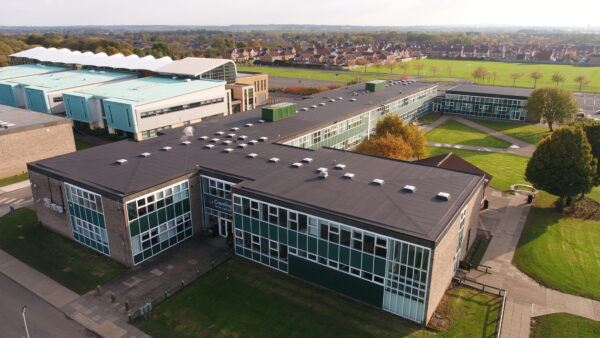
Roofing for Healthcare:
Healthcare roofing requires careful consideration because hospitals, medical centres and other healthcare facilities often operate continuously.
A roofing issue can have consequences beyond the roof itself. Water ingress may affect sensitive equipment, internal finishes or operational areas, while access for contractors must be carefully managed around patients, staff and visitors.
This makes regular commercial roof inspection and condition assessment particularly valuable. Roofing solutions for healthcare buildings should consider not only waterproofing performance but also access, safety, working arrangements and the need to maintain essential services throughout the project.

Roofing for Local Authorities and Complex Building:
Local authorities face another significant challenge: the sheer variety of buildings they may be responsible for. A council’s property portfolio could include offices, libraries, leisure centres, community buildings, depots, public housing, care facilities and other assets. Each building can have different construction types, uses and maintenance requirements.
This means there is rarely a one-size-fits-all approach to roof maintenance. A local authority roofing programme needs to consider the condition, importance and future use of individual buildings.
Some roofs may only require routine maintenance, while others may need substantial refurbishment or commercial roof replacement.

Repair, Refurbishment or Replacement?
One of the most important decisions for any public-sector estate manager is determining what should happen when a roof begins to deteriorate.
Repair may be appropriate where defects are localised and the underlying roof remains sound. Refurbishment can provide a way to extend the service life of an existing system where roof replacement is not yet necessary.
In other cases, continued repairs may no longer represent the best long-term investment. A commercial roof replacement may provide a more reliable solution, particularly where deterioration is widespread or the existing system has reached the end of its useful life. A thorough commercial roof condition survey can help inform that decision.
Managing Roofing Works Around Occupied Buildings
Public-sector roofing projects often take place while buildings remain operational. This adds another layer of complexity.
Roofing contractors may need to consider pedestrian routes, access arrangements, working hours, temporary protection, noise, deliveries and the separation of construction areas from occupied spaces.
Good planning is therefore just as important as the roofing system itself. Clear communication between the roofing contractor, building managers and other stakeholders can help minimise disruption and ensure work is carried out safely.
The Importance of Long-Term Planning
The most effective approach to public-sector roof maintenance is not simply responding when something goes wrong. It is about developing better visibility of the estate and understanding where investment will be required.
Regular roof surveys planned maintenance schedules and condition assessments can help organisations make informed decisions about repairs, refurbishment and replacement.
They can also make it easier to identify future expenditure and prioritise work across a wider property portfolio.
Specialists Commercial Roofers: DVC Commercial Roofing Contractor
Public-sector roof maintenance is becoming an increasingly important part of wider estate management. Ageing buildings, competing budgets, operational requirements and the need to minimise disruption all influence how roofing work needs to be planned.
For schools, healthcare organisations, councils and other public-sector bodies, the objective should be to move towards a more proactive approach: understand the condition of the roof, identify risks early, prioritise investment and plan work around the needs of the building.
At DVC Roofing & Building Limited, we provide commercial roofing services for organisations that need practical, reliable solutions for their buildings.
From roof inspections and maintenance through to repairs, refurbishment and commercial roof replacement, taking a planned approach can help public-sector organisations protect their buildings and make better long-term decisions about their roofing assets.