Planning Commercial Roofing Without Disrupting Warehouse Operations
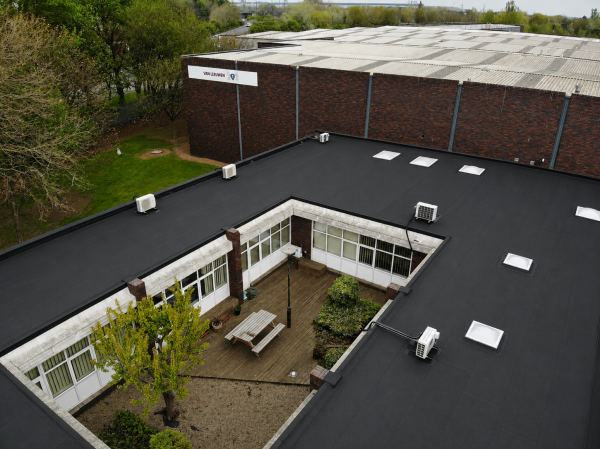
Warehouse Flat Roof Contractors
For warehouses and distribution centres, commercial roofing work involves more than repairing or upgrading a building. It requires careful coordination to protect stock, maintain safe working conditions and keep essential operations moving. With deliveries, machinery and staff working to tight schedules, even temporary disruption can affect productivity and customer commitments.
At DVC Commercial Roofing Contractors, we understand that planning ahead helps warehouse managers understand what to expect, prepare for potential risks and coordinate roofing work around day-to-day activities. Whether a project involves upgrading an ageing roof, addressing persistent leaks or carrying out a larger installation, the right approach can make the process more manageable.
Why Warehouse Roofing Projects Require Careful Planning
Warehouses often operate for extended hours, with goods moving continuously between storage areas, loading bays and dispatch points. Commercial roofing works can introduce additional challenges, particularly when materials need to be lifted onto the building, sections of the roof are opened, or roofing contractors require access to busy areas.
Water ingress is another important consideration. Exposed stock, electrical equipment and sensitive goods may be vulnerable if temporary weather protection is inadequate. Meanwhile, noise, restricted access and changes to vehicle movements can affect normal working routines.
Before work begins, building owners should identify which areas are most operationally critical and discuss how the roofing programme could affect them. This gives commercial roofing contractors an opportunity to plan appropriate safeguards rather than reacting to problems once work is underway.
Assess the Roof and Establish the Scope of Work
A successful roofing project starts with understanding the roof’s current condition and the work it actually needs. Arranging a professional roof assessment can help identify defects, deterioration and areas requiring closer investigation.
For example, a warehouse experiencing recurring leaks may have localised defects, failing joints or more widespread problems with the existing roofing system. The visible symptoms do not always reveal the full extent of the issue.
A suitable assessment helps determine the scope of work, identify potential complications and establish whether repairs, refurbishment or a more extensive installation should be considered.
It is also useful to document existing roof access points, drainage arrangements, rooftop equipment and any areas containing particularly sensitive stock or machinery. Sharing this information with the roofing contractor supports more informed project planning.
Protect Stock, Equipment and Internal Work Areas
Stock protection should be a priority before contractors begin work. The appropriate measures will depend on the building layout, the products stored inside and the nature of the roofing project.
Where practical, warehouse managers may choose to relocate vulnerable goods away from the work area. High-value products, moisture-sensitive materials and electrical equipment may require additional protection.
The project team should also consider what happens if the weather changes unexpectedly. Temporary coverings, suitable waterproofing measures and clear procedures for responding to sudden rainfall can help reduce exposure while work is in progress.
Protection arrangements need to be agreed in advance rather than left until the roof has been opened. Contractors and warehouse staff should understand their respective responsibilities, including who will monitor conditions and how any concerns will be reported.
Coordinate Roofing Work Around Deliveries and Daily Operations
One of the most effective ways to limit disruption is to integrate the roofing programme with the warehouse’s operating schedule.
Before work begins, identify busy delivery periods, shift changes, stock movements and any production deadlines that could be affected. This information can then inform decisions about contractor access, material deliveries and the sequencing of individual tasks.
For larger projects, dividing the work into manageable sections may allow other parts of the building to remain operational. However, phasing is not automatically the best solution for every site. The most appropriate approach depends on the roof’s condition, the work required, weather exposure and available access.
Regular communication is equally important. Warehouse managers should have a clear point of contact for updates, planned changes and unexpected issues. Brief coordination meetings can help both teams identify potential conflicts before they affect operations.
Make Site Safety and Access a Shared Responsibility
Roofing projects introduce hazards that need to be managed alongside the normal risks of warehouse operations. These can include work at height, falling materials, lifting equipment and vehicle movements around loading areas.
The roofing contractor and site management team should agree how working areas will be separated from operational spaces. This may involve controlled access zones, suitable barriers, designated material storage areas and agreed routes for contractors and delivery vehicles.
Emergency access must also remain clear, and staff should know which areas are temporarily restricted. Where work takes place above occupied areas, the project team should assess the risks and implement appropriate controls.
These arrangements should be reviewed as the project progresses. Changes in the work area or programme may require access restrictions and safety measures to be adjusted.
Prepare for Weather Changes and Unexpected Delays
Weather can influence the timing and sequence of roofing work, particularly when tasks involve removing existing materials or exposing parts of the roof structure.
A realistic programme should account for suitable working conditions, material availability and the time needed to secure completed sections. It should also include a clear contingency plan for adverse weather or unexpected defects discovered during the project.
For warehouse operators, the important question is not simply when work will start and finish. It is how the site will be protected if the programme changes.
Agreeing procedures for temporary weatherproofing, reporting leaks and responding to urgent issues gives everyone a clearer understanding of what needs to happen if conditions deteriorate.
Choose a Commercial Roofing Contractor Who Understands Operational Sites
The contractor’s approach to planning can be just as important as the proposed roofing solution. Warehouse operators should look beyond the immediate scope of work and consider how the project will be managed around an active business.
When comparing commercial roof installers, ask how they intend to coordinate access, protect internal areas, manage material deliveries and communicate programme changes. It is also worth discussing their experience with similar industrial environments and how they approach safety and temporary weather protection.
A detailed proposal should clearly explain the planned work, key stages, anticipated constraints and responsibilities of the parties involved. This helps warehouse managers prepare their teams and identify potential issues before the project begins.
The aim is not to promise that disruption can always be eliminated. Instead, it is to ensure that foreseeable challenges are considered and managed through a coordinated approach.

Warehouse Roofing Project Planning Checklist
Before work begins, warehouse managers should confirm that:
- The roof has been assessed, and the required work is clearly defined.
- Vulnerable stock, machinery and internal work areas have been considered.
- Contractor access and material delivery arrangements are agreed.
- Roofing activities are coordinated with operational schedules.
- Site safety measures and restricted areas are clearly communicated.
- Temporary weather protection and contingency arrangements are in place.
- Responsibilities, progress updates and escalation procedures are understood.
Reviewing these points with the roofing contractor can help establish a shared plan before the first day on site.
Plan Your Next Warehouse Roofing Project with DVC Roofing
Commercial roofing work needs to protect the building while taking account of the business operating beneath it. Thorough preparation, clear communication and realistic scheduling can help warehouse managers reduce avoidable disruption and maintain better control throughout the project.
DVC Roofing works with commercial and industrial clients on roofing projects tailored to their buildings and requirements. If you are planning roofing works at an operational warehouse, discussing the scope, site constraints and project priorities with an experienced contractor is a useful first step towards developing a practical programme.
Searching for warehouse flat roof contractors near me?
Contact DVC Roofing to discuss your commercial roofing requirements and plan the next steps for your building