
Behind the Scenes: Our Head of Estimating Visits Site for Core Sampling
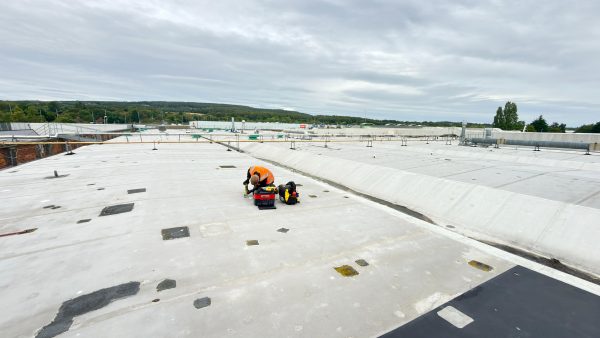
Behing the Scenes with DVC Roofing Core Sample
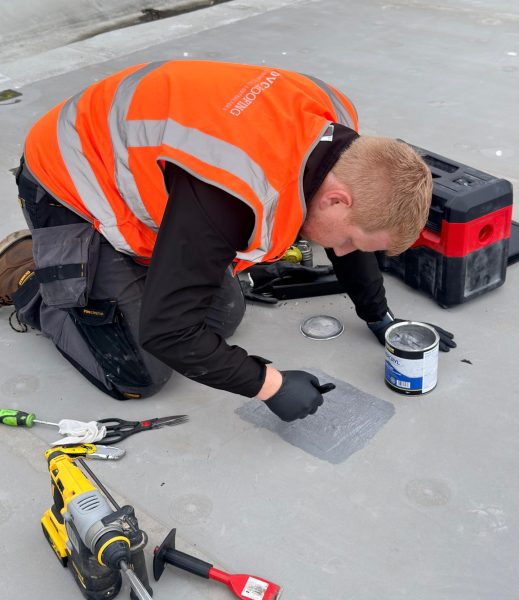
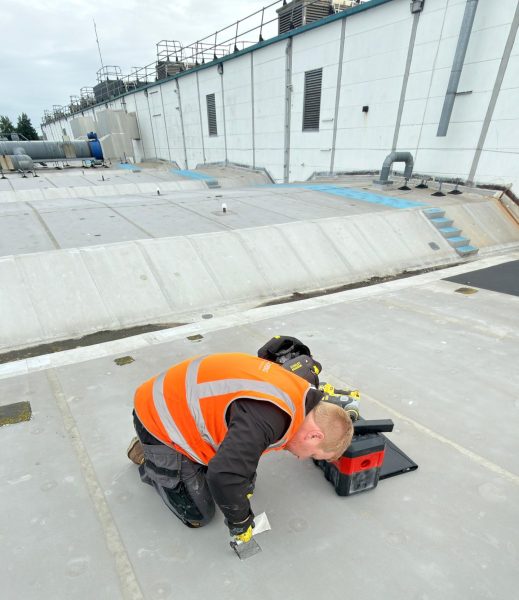
Our Head of Estimating carried out a core sample for a commercial flat roofing to assess the existing roof build-up and the condition of the materials beneath it.
While a flat roof can look straightforward from the outside, there can be a lot more going on beneath the surface. Understanding the existing roof build-up is an important part of assessing a commercial roofing project properly. Particularly when considering roof refurbishment, replacement or repair works.
What is a Core Sample?
A core sample is a small section of the existing roof build-up that is carefully removed so that the different layers can be examined.
A commercial flat roof is typically made up of several layers, which can include waterproofing membrane, insulation, vapour control layer and the roof deck. Depending on the age and construction of the buildings, the build-up can vary.
Looking at a roof from the surface doesn’t always tell roofing contractors what is underneath. A core sample provides a physical cross-section of the roof, allowing the existing construction and condition of the different layers to be assessed.
It gives our commercial roofers the opportunity to see what’s actually there rather than relying entirely on drawings, previous records or assumptions.
Why Does Core Sampling Matter for Commercial Flat Roofs?
For Commercial buildings, understanding the existing roof build-up can be particularly important when planning refurbishment or replacement works.
Overtime, a flat roof can experience changes that aren’t immediately visible from the surface. Moisture can enter the roof build-up, insulation can deteriorate, and materials can age or become damaged.
A core sample can help establish the condition and composition of the existing roof and provide useful information when determining the most appropriate approach for the project.
It can also help identify the thickness and types of insulation present. This is important when considering the thermal performance of the existing roof and the requirements of a proposed new system.
For an estimator, having this information at an early stage can make a significant difference. It allows the project to be assessed based on what is actually present on the building, rather than making assumptions about the roof construction.
What Are Benefits of Core Sampling?
A core sample can provide valuable information about the existing roof before work begins, helping the team develop a better understanding of the building and the work that may be required.
Other benefits can include:
- Understanding the existing roof build-up
- Assessing insulation
- Identifying potential moisture
- Supporting accurate estimating
- Helping with system design
- Reducing uncertainty
Ultimately, the more that is known about an existing roof, the easier it is to make informed decisions about what needs to happen next.
How is a Roof Core Sample Carried Out?
The process involves carefully removing a small section of the existing roof so the individual layers can be examined.
The location of the sample is selected carefully, taking into account the roof layout and the information required from the investigation.
Once the core has been taken, the exposed roof build-up can be examined layer by layer. Measurements can be taken and the different materials recorded, while the condition of the components can also be assessed.
The process is relatively small-scale compared with the overall size of a commercial roof, but the information gained can be significant.
What Happens After the Core Sample is Taken?
Taking the sample is only part of the process. The information gathered than needs to be considered alongside the wider project requirements. The findings can be reviewed alongside existing drawings, surveys and other available information to build a clearer picture of the roof. For DVC Roofing estimating team, the information can help when developing the scope of works and preparing quotation.
Depending on the findings, the information may also help inform decisions around insulation, waterproofing systems, preparation requirements and the overall approach to the refurbishment or roof replacement.
If the investigation highlights an issue that wasn’t previously known, identifying it at this stage means it can be considered as part of the planning process rather than becoming an unexpected discovery once work is underway.
Importance of Site Vits
Being on site provides first-hand knowledge of the roof and the conditions the project team will be working with. It gives our estimating team the opportunity to see the building, understand the existing construction and consider the procuticle requirements of the work.
That experience can then be brought back into the office and used alongside the technical information to develop a more informed estimate.
For commercial flat roofing projects, the combination of site experience, technical information and carful estimating can help create a much clearer picture of what is required before works begins.
Looking Beneath the Surface
A commercial flat roof tells you more about the outside, but sometimes you need to look beneath the surface to understand the full story.
Core sampling provides a relatively simple way of investigating the existing roof build-up and gathering information that can support the next stage of a project.
At DVC Commercial roofing, it is another example of the importance of getting the details right from the beginning. By taking the time to understand what is already there, we can approach commercial roofing projects with greater knowledge and a clearer understanding of the work involved.
If you have a commercial flat roofing project coming up and aren’t sure which solutions is right for your building, get in touch with our team today. We can take a closer look at what’s beneath the surface and help you understand the best way forward.