
Can a Commercial Roof Support New Rooftop Equipment?

Adding New Equipment to Your Facility’s Roof?
Commercial roofs are being asked to do more than ever. Solar panels, air conditioning units, ventilation systems, communications equipment and other plant are now common features on commercial buildings.
But before new equipment is added to an existing roof, there are some important questions to answer. Can the roof support the extra weight? Is the roof still in good condition? Will the installation affect waterproofing? And will there still be safe access for future maintenance? The answer will depend on the building, the existing roof and the equipment being installed.
Can Your Commercial Roof Support New Equipment?
A commercial roof may look strong and suitable for additional equipment, but its ability to support new installations depends on several factors.
These include:
- The type and construction of the roof
- The age of the roof
- Its current condition
- The weight of the new equipment
- How the equipment will be supported
- Where it will be positioned
- How often it will need to be accessed
- Whether new fixings or penetrations are required
A roof that has been performing well for many years may still need a roof inspection before additional equipment is installed. This is especially important on older buildings where records of the original roof construction may be limited.
Schedule Roof Inspection Before Adding New Equipment
One of the most sensible steps is to establish the condition of the existing roof before work begins. If there are already damaged areas, leaks, weak points or other defects, installing new equipment could make future repairs more difficult.
It may also mean that equipment has to be moved later if major roofing work becomes necessary. Finding these issues before installation gives the building owner more options.
If repairs or other work are needed, they can be planned before the new equipment is installed.
How Much Extra Weight Can the Roof Take?
The weight of rooftop equipment needs to be considered carefully. The equipment itself is not the only factor. Frames, supports, access platforms and other components can add to the overall load.
The location of the equipment also matters. Concentrating heavy equipment in one area can create different demands from spreading lighter equipment across a wider section of the roof.
The building structure and roof construction should therefore be considered before installation. Where necessary, the relevant structural professional should confirm that the proposed equipment can be safely supported.
Will the Installation Damage the Waterproofing?
This is another major consideration. Some rooftop equipment needs fixings, cables, pipes or other services to pass through or connect to the existing roof. Every new penetration creates another area that needs to be properly designed and sealed.
Poorly planned work can increase the risk of water entering the building. This is why the roofing system should be considered as part of the installation from the beginning. The installer should understand how the proposed equipment will interact with the existing roof rather than treating the roof as an afterthought.
Roof Access Systems
New equipment will need maintenance. Engineers may need to reach it several times a year. Eventually, parts may need replacing or the equipment may need to be removed completely.
There must therefore be a practical way to reach the equipment without causing unnecessary damage to the roof. Access routes should be considered before the equipment is positioned.
Where possible, equipment should not be placed where maintenance teams have to repeatedly cross vulnerable areas or work around difficult obstacles. Good project planning can make future maintenance safer and easier.
Commercial Roof Drainage
Drainage is easy to overlook when planning new rooftop equipment. Rainwater needs to flow towards the roof outlets without being blocked or redirected by new structures.
Equipment supports and associated services should not create unnecessary obstructions. This is particularly important on flat roofs, where drainage depends on carefully planned falls and outlets.
If the roof already has areas where water collects, those problems should be investigated before new equipment is added. Adding equipment will not solve an existing drainage problem and could make future maintenance more complicated.
Could Rooftop Equipment’s Affect an Existing Warranty?
Before making changes to an existing roof, check the paperwork. Some roof warranties have specific requirements about alterations, fixings, penetrations and work carried out by other contractors.
The installation of new equipment could therefore have implications for the existing warranty if the work is not carried out in line with its requirements. Building owners should check the terms of the warranty and establish whether the roofing manufacturer or contractor needs to be involved. It is much easier to resolve this before installation than after a problem develops.
Solar Panels Are Not the Only Consideration
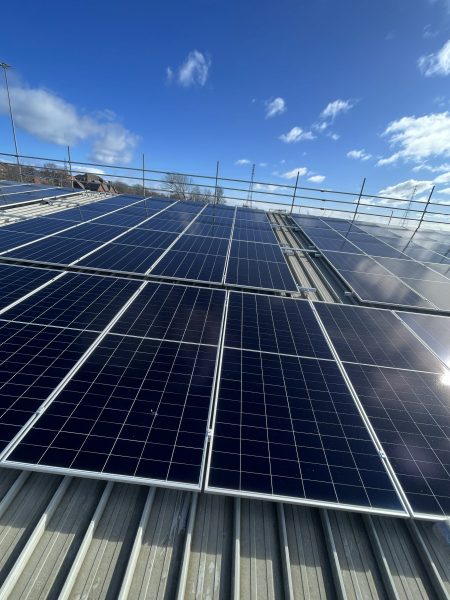
Solar panels are one of the most visible examples of new rooftop equipment, but the same principles apply to many other installations.
These can include:
- Heating and cooling equipment
- Ventilation systems
- Extraction equipment
- Communications equipment
- Electrical equipment
- Plant and machinery
- Access and safety systems
Each installation will have its own requirements. The important thing is to consider the equipment and the roof together.
Expert Roofing Project Planning: DVC Roofing
Adding equipment to a commercial building can be a worthwhile investment, but the roof should never be treated as simply an empty platform. The condition, construction and drainage of the roof all need to be considered. The same applies to access, additional loading, waterproofing and future maintenance.
Planning these issues before installation can help prevent avoidable problems and unexpected costs later. For building owners and facilities managers, the best approach is simple: look at the roof before you put anything new on it.
If the condition or construction of the roof is unclear, getting professional advice before the installation begins can help you make a more informed decision.
DVC Commercial Roofing Contractors works with commercial property owners and businesses on a range of roofing requirements. If you are planning changes to an existing commercial building, early consideration of the roof can help ensure the project is planned with its long-term performance in mind.
FAQ: Rooftop Equipment Install
What should facility managers do before rooftop equipment installation?
Before approving new rooftop equipment, it is worth asking a few simple questions:
Is the existing roof in good condition?
Existing defects should be identified before new equipment is installed.
Can the structure support the additional load?
The weight of the equipment and its supporting structure need to be properly considered.
How will the equipment be fixed or supported?
The proposed method should not create unnecessary risks to the roof.
Will commercial maintenance be easy to carry out?
There should be safe and practical access to the equipment.
Will drainage remain effective?
New installations should not interfere with existing drainage routes or outlets.
Are there warranty requirements?
Check whether the proposed work could affect an existing roof warranty.