
Commercial & Healthcare Roofing: Your Complete Q&A Guide
When it comes to commercial and healthcare facilities, choosing the right roofing solution is critical. From ensuring durability and energy efficiency to meeting strict HTM roofing standards, the stakes are high. Whether you’re considering a full commercial flat roof installation, or routine maintenance, understanding your options is key to making informed decisions.
In this Q&A guide, we answer the most common questions about commercial and healthcare roofing, covering everything from contractor selection to roof surveys, maintenance tips, and specialised solutions for healthcare facilities. By the end, you’ll have a clear roadmap for protecting your property with the right roofing system while maximising long-term value.
Guide to Healthcare & Commercial Roofing
1. What is HTM-compliant roofing, and why does it matter?
HTM-compliant roofing is specifically designed for healthcare facilities and meets Health Technical Memorandum (HTM) standards. These standards ensure roofs are safe, hygienic, and durable, helping to protect patients and staff.
Choosing contractors experienced in healthcare facility roofing ensures compliance with strict guidelines, whether it’s a new installation or refurbishment project.
2.What roofing solutions are available for healthcare facilities?
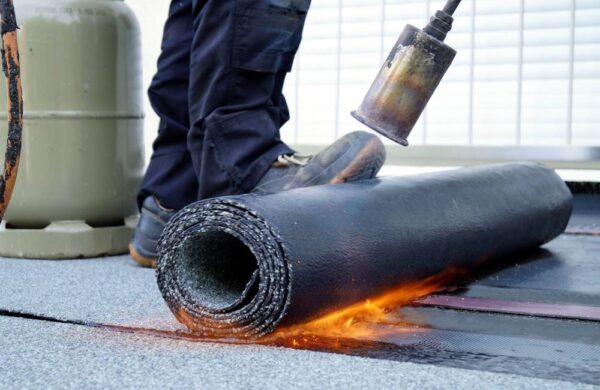
Healthcare buildings require specialised solutions to meet HTM standards. Popular options include torch-on felt roofing, flat roof waterproofing, and roof refurbishment. These systems are long-lasting, low-maintenance, and compatible with other building systems such as HVAC and electrical, ensuring seamless integration.
3. How do I find a reliable commercial roofing contractor?
Finding a trustworthy commercial roofing contractor is crucial for ensuring quality, safety, and long-term performance. Here’s how to do it:
- Check Experience & Specialisation: Look for contractors with proven experience in commercial and healthcare roofing projects.
- Read Reviews & Ask for References: Commercial roofing reviews, including DVC Roofing reviews, give valuable insight into reliability, workmanship, and customer satisfaction from past clients.
- Verify Licensing & Insurance: Ensure the contractor is fully licensed and carries liability and workers’ compensation insurance.
- Request Detailed Quotes: Compare multiple quotes that outline materials, labour, warranties, and timelines.
- Look for Certifications: Certifications from roofing manufacturers or trade organizations indicate quality and adherence to industry standards.
Additionally, search for terms like commercial flat roof contractors near me, commercial roofing contractor, or roofing contractor Newcastle. Contractors experienced in both commercial and healthcare projects bring the expertise needed to handle complex specifications and deliver high-quality results efficiently.
4. What are common challenges in HTM-compliant roofing?
Contractors face several challenges:
- Interpreting and implementing complex specifications correctly.
- Managing costs, since HTM-compliant materials and labour are often more expensive than standard commercial roofing solutions.
- Coordinating with other trades like HVAC and electrical to ensure smooth integration.
Experienced healthcare roofing contractors understand these challenges and know how to overcome them, minimising delays and maintaining quality.
5. How do I maintain a commercial flat roof?
Regular roof maintenance is crucial for prolonging the life of your roof. Key practices include:
- Regular Inspections
- Clean Debris
- Check Drainage
- Repair Minor Damage Promptly
- Inspect Flashings and Seals
- Trim Overhanging Trees
- Monitor Roof Traffic
- Document Maintenance
- Hire Professionals for Major Work
Hiring a professional contractor for commercial roof maintenance services ensures your roof stays in top condition year-round.
6. What types of commercial roofing services are available?
DVC Roofing offers a comprehensive range of services tailored to commercial and healthcare buildings:
- Flat roofing solutions, including installation and replacement for new or aging roofs.
- Solar PV systems to enhance energy efficiency and reduce operational costs.
- Industrial roof sheeting and rainscreen cladding for long-lasting protection and structural integrity.
- Roof maintenance and emergency roof repairs to prevent damage and address urgent issues.
- Commercial roof surveys to identify potential issues before they escalate.
These services ensure your property stays protected, compliant, and energy-efficient, whether it’s a healthcare facility, office building, or industrial site.
7. Can I get a roofing quote online?
DVC Roofing offers the convenience of obtaining a roofing quote online. Whether you require a commercial roof replacement, routine maintenance, or emergency repairs, you can receive a personalised estimate tailored to your project, without leaving your office.
8. What should I know about commercial roof surveys?
Regular commercial roof surveys help detect issues early. Roof surveys may include roof condition assessments, moisture mapping, and structural integrity checks. Identifying problems early can prevent costly repairs and ensure your roofing system meets both commercial and healthcare standards.
9. Are there eco-friendly roofing options?
There are several eco-friendly roofing options that reduce environmental impact and improve energy efficiency. Popular choices include:
- Solar roofing – Generates electricity and lowers energy bills.
- Clay or slate tiles – Natural, long-lasting, and recyclable.
- Wood shingles – Renewable and biodegradable when responsibly sourced.
- Cool roofs – Reflect sunlight and reduce building heat.
- Synthetic shingles – Made from recycled materials, low maintenance.
Green roofs – Vegetation-covered, improves insulation and air quality.
10. What is the difference between industrial and commercial roof?
Industrial roofing services are designed for large-scale, heavy-duty facilities like factories, warehouses, and manufacturing plants, whereas commercial roofing typically serves smaller-scale buildings such as offices, retail stores, and schools. Key differences include:
- Size & Scale – Industrial roofs cover much larger areas and often require specialised equipment.
- Materials – Industrial roofing often uses more heavy-duty materials like metal panels or reinforced membranes to withstand industrial wear and tear.
- Load & Usage Requirements – Industrial roofs may need to support heavy machinery, ventilation systems, or rooftop storage, unlike most commercial roofs.
- Maintenance & Safety – Industrial roofing involves stricter safety standards and more frequent inspections due to high-risk environments.
- Design Complexity – Industrial roofs may incorporate specialised features like chemical-resistant coatings, fireproofing, or drainage for large flat areas.
11. How often should I inspect a flat roof?
Flat roofs should be inspected at least twice a year, typically in the spring and autumn and after any severe weather like heavy storms or snow.
Regular inspections help identify issues such as ponding water, cracks, membrane damage, or blocked drains early, preventing costly repairs and extending the roof’s lifespan. For best results, schedule inspections with a professional roofing contractor who can spot problems that aren’t always obvious.
Summary & Final Tips: Commercial & Healthcare Roofing
Choosing the right roofing system for commercial or healthcare facilities is essential for durability, energy efficiency, and compliance with industry standards like HTM. From flat roof installations and torch-on felt roofing to maintenance and emergency repairs, understanding your options helps protect your property and extend its lifespan. Regular inspections, timely maintenance, and working with experienced roofing contractors ensure long-term performance and cost savings.
Final Tips:
- Hire Experienced Roofing Contractors: Choose professionals familiar with both commercial and healthcare roofing to ensure compliance and quality.
- Schedule Regular Inspections: Inspect flat roofs at least twice a year and after severe weather to catch issues early.
- Prioritise Maintenance: Keep drains clear, remove debris, and repair minor damage promptly to prevent costly repairs.
- Consider Eco-Friendly Options: Metal, solar, green, or cool roofs can reduce environmental impact and improve efficiency.
- Get Quotes Online: Many reputable contractors offer quick, personalised online estimates for replacements, maintenance, or repairs.
By following these guidelines, you can confidently select, maintain, and optimise your roofing system. This will ensure safety, compliance, and long-term value for your commercial or healthcare roofing solutions.