
Common Flat Roof Problems & How to Solve Them
Common Flat Roof Problems in Newcastle
Flat roofs are common across Newcastle commercial buildings, especially on extensions, garages, and older properties. While they are cost-effective and practical, they are also more vulnerable to weather damage than pitched roofs, particularly in the North East’s wet and windy climate.
If you’ve noticed leaks, standing water, or cracks in your flat roof, this guide explains the most common flat roof problems in Newcastle and how to fix them before they become expensive structural issues.
Flat Roof Leaks: What causes flat roof leaks?
- Cracked or perished roofing felt
- Failed seams or joints (especially on older roofs)
- Poor installation or ageing materials
- Blocked drainage causing water build-up
Signs of a flat roof leak:
- Damp patches on ceilings or walls
- Dripping water during heavy rain
- Musty smells inside the property
- Visible cracks or splits in roofing material
How to fix it:
Small leaks can sometimes be repaired with patching, but widespread damage usually requires partial or full flat roof replacement.
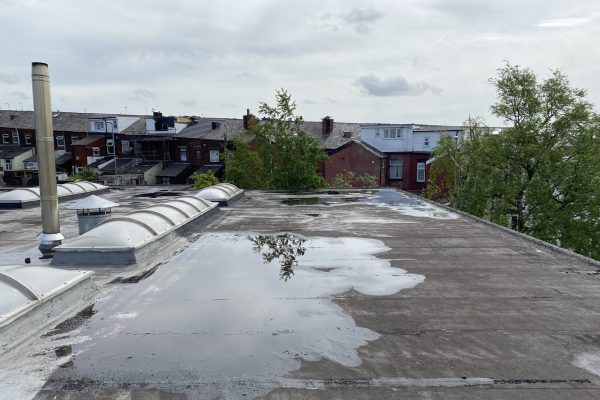
Ponding Water (Standing Water After Rain)
Ponding water is when water collects and stays in your flat roof instead of draining away.
This is extremely common in Newcastle due to frequent rainfall.
Why it’s a problem:
- Adds weight stress to the roof structure
- Accelerates material deterioration
- Increases risk of leaks and mould growth
Causes of ponding water:
- Poor roof slope (incorrect installation)
- Blocked or insufficient drainage outlets
- Structural sagging over time
Fixes:
- Improving roof drainage systems
- Installing tapered insulation
- Rebuilding sections of the roof if sagging is present
Cracks, Blistering & Surface Damage
Flat roofing materials such as felt, EPDM rubber, or GRP fibreglass can degrade over time.
Common issues include:
- Surface cracking due to UV exposure
- Blistering caused by trapped moisture or air
- Shrinking in older felt roofs
Why this happens in Newcastle:
The region’s combination of rain, frost, and temperature swings speeds up material wear.
Solution:
- Small cracks: seal or patch repair
- Widespread damage: re-cover or replace the roof covering
Poor Installation or Cheap Roofing Materials
Many flat roof problems stem from poor workmanship rather than age.
Warning signs:
- Uneven surface or poor finish
- Early leaks within a few years
- Poor drainage design
Fix:
Unfortunately, poorly installed roofs often require full replacement to properly resolve the issue.
Flashing Failures (Edge and Joint Leaks)
Flashing is the material that seals edges around chimneys, walls, and roof joints.
When flashing fails, water can easily enter the building.
Signs:
- Water leaks near walls or corners
- Lose or lifted roof edges
- Damp patches after heavy rain
Fix:
- Re-sealing or replacing flashing
- Installing upgraded waterproof detailing
Should You Repair or Replace Your Flat Roof?
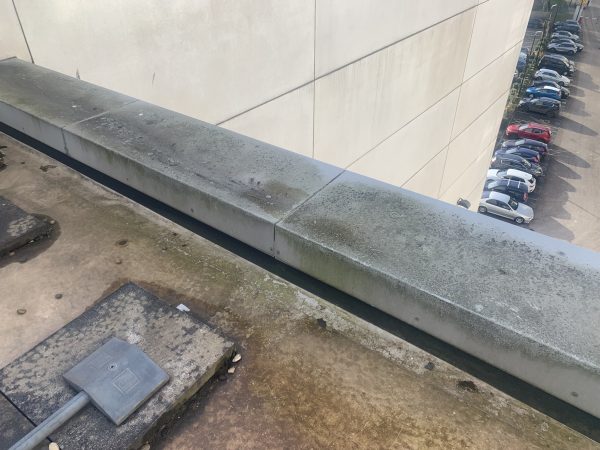
This depends on the severity of the damage:
Repair is suitable if:
- Damage is localised
- Roof is under 10–15 years old
- No structural sagging is present
Replacement is needed if:
- Multiple leaks are present
- Roof is over 20 years old
- Ponding water is widespread
- Materials are brittle or failing
Flat Roof Repair Cost in the UK (Quick Guide)
Costs vary depending on damage and materials:
- Small repairs: £150 – £500
- Medium repairs: £500 – £1,500
- Full replacement: £2,000 – £6,000+
(Prices vary depending on roof size and access)
Why Flat Roof Problems Are Common in Newcastle
Newcastle’s climate plays a major role in flat roof deterioration:
- High rainfall throughout the year
- Freeze-thaw cycles in winter
- Strong winds in exposed areas
- Older housing stock with ageing roofs
This combination makes regular roof maintenance essential.
Why Partner with DVC Commercial Roofing
At DVC Roofing, we provide reliable, high-quality flat roof repairs and roof replacements across Newcastle and the surrounding areas.
Our team understands the common roofing issues caused by the North East climate, including heavy rainfall, wind exposure, and seasonal temperature changes, and we use proven materials and installation methods designed to perform in these conditions.
We take pride in offering honest advice and clear, upfront pricing with no unnecessary upselling. Whether you need a small, localised repair or a full flat roof replacement, we assess the condition of your roof properly and recommend the most cost-effective long-term solution for your property.
Every project is carried out with care, attention to detail, and a focus on long-lasting waterproofing. From diagnosing leaks to improving drainage and replacing failed materials, our goal is to ensure your roof is fully secure and built to withstand future weather challenges.
If you’re experiencing leaks, ponding water, cracked surfaces, or general roof deterioration, DVC Roofing provides fast, dependable solutions that protect your home or business and give you peace of mind.
FAQ: Commercial Flat Roof
What is the most common flat roof problem in Newcastle?
Leaks and pounding water are among the most common issues with flat roofs. Heavey rainfall can expose problems with drainage, damage roofing materials, joints and flashing. Catching these issues early can help prevent more extensive damage.
Why does my flat roof have standing water after it rains?
Standing water, also known as ponding, can be caused by blocked drainage outlets, inadequate falls or areas of the roof that have started to sag. If water regularly remains on the roof after rainfall, it is worth having the cause investigated rather than simply allowing it drain or evaporate.
Can Ponding water damage commercial flat roof?
Persistent ponding can place additional stress on the roof and contribute to deterioration of the waterproofing materials. Over time, this can increase the risk of leaks and further damage.