Why Waterproofing Is Essential for Commercial Roofing
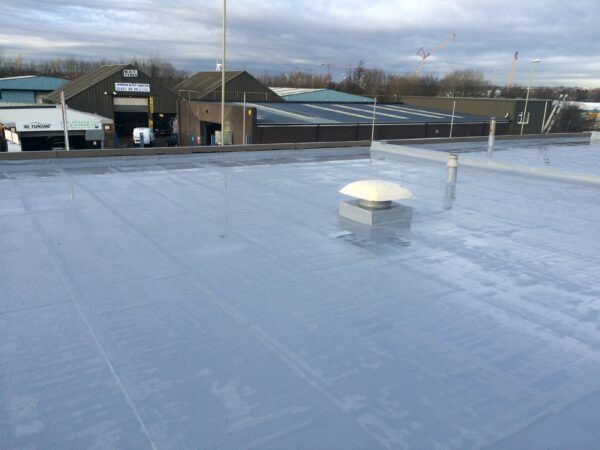
Waterproofing for Commercial Roofing
A roof plays an important role in protecting a commercial building from the elements. Without effective waterproofing, rainwater can find its way through small defects, damaged joints or areas of deteriorating material, potentially causing problems throughout the property.
For warehouses, offices, schools and other commercial premises, water ingress can affect more than the roof itself. It can damage insulation, internal finishes, equipment and stock, while also disrupting everyday operations.
Understanding how waterproofing works and why it matters can help building owners make informed decisions about roof maintenance, refurbishment and replacement.
How Waterproofing Protects Your Building
A waterproofing system creates a protective barrier that helps prevent moisture from entering the building. The type of system used will depend on the roof’s construction, condition and intended use.
Effective waterproofing offers several important benefits.
Helps Prevent Water Damage
Even a small leak can lead to more significant problems if left untreated. Water can travel through roofing layers and affect insulation, ceilings, walls and electrical equipment.
Addressing weaknesses in the roof covering helps reduce the risk of internal damage and the disruption that can follow.
Protects Roofing Materials
Continued exposure to moisture can accelerate the deterioration of certain roofing materials and their supporting components.
A suitable waterproofing system helps protect the roof from rainfall and standing water, reducing the likelihood of premature wear. This can contribute to a longer service life when combined with appropriate installation and maintenance.
Helps Maintain Insulation Performance
When moisture enters a roof construction, it can affect the performance of insulation materials. Wet insulation may lose some of its thermal effectiveness, potentially making it harder to maintain comfortable internal temperatures.
Keeping the roof watertight helps protect the building’s insulation and supports its overall energy performance.
Reduces the Risk of Operational Disruption
Leaks can create problems for businesses, particularly where buildings contain machinery, stock, specialist equipment or occupied workspaces.
Taking steps to prevent water ingress helps protect these areas and reduces the likelihood of unexpected interruptions caused by roofing problems.
Supports Long-Term Property Maintenance
Dealing with water ingress early can help prevent minor defects from developing into more expensive repairs.
A well-maintained roof also makes it easier for property managers to plan future work and manage maintenance budgets.
Common Causes of Water Ingress
Water can enter a commercial roof for several reasons. Some problems develop gradually through general wear, while others may result from poor detailing, physical damage or a lack of maintenance.
Common causes include:
- Damaged roof coverings: Cracks, splits or worn areas can allow water to penetrate the surface.
- Failed joints and seams: Deteriorating connections between roofing materials can create weak points.
- Blocked drainage outlets: Leaves, debris and other obstructions can prevent water from draining away properly.
- Poor detailing: Areas around rooflights, upstands, pipes and plant equipment can be vulnerable if not properly sealed.
- Standing water: Persistent ponding can place additional demands on the waterproofing system and may highlight drainage or design issues.
Identifying these problems early can make repairs more straightforward and help prevent further damage.
Choosing the Right Waterproofing System
Not every roof requires the same solution. The most suitable option depends on the existing roof construction, its condition, the building’s use and the level of performance required.
Several systems are commonly used on commercial properties.
Single-ply membranes
These lightweight membranes provide a waterproof covering and are used across a variety of flat roofing applications. Their suitability depends on the roof design, detailing and project requirements.
Reinforced bitumen felt
Felt systems provide a durable, layered waterproof covering and are often used for flat and low-pitched roofs. They can be considered for both new installations and refurbishment work.
Cold-applied liquid roofing
Liquid-applied systems form a seamless waterproof layer and can be particularly useful around complicated roof details, penetrations and upstands. They may also be suitable for certain refurbishment projects.
A professional assessment will help determine which system is appropriate. You can explore DVC Roofing’s flat roofing solutions to learn more about the options available.
When Should You Consider Waterproofing Work?
Waterproofing may be required as part of a new roof installation, a refurbishment project or repairs to an existing system.
Signs that further investigation may be needed include recurring leaks, visible damage to the roof covering, deteriorating joints or persistent standing water.
If problems are identified, the next step should be to establish their cause rather than simply treating the visible symptoms. Depending on the roof’s condition, localised repairs, refurbishment or a complete replacement may be the most appropriate option.
Protecting Your Commercial Property
Effective waterproofing is essential for maintaining a roof’s performance and protecting the building beneath it. Choosing a suitable system, ensuring it is installed correctly and arranging regular inspections can all help reduce the risk of water ingress and unexpected repair costs.
DVC Roofing provides commercial and industrial roofing services across the UK, including roof surveys, repairs, refurbishment and replacement.
If you’re concerned about the condition of your roof or considering improvements to its waterproofing, contact DVC Roofing to discuss your requirements.