
Commercial Roofing for Critical Infrastructure North East
Commercial Roofing Service for Transport Infrastructure
Commercial roofing projects can be complex enough on a standard commercial property. However, when roofing work takes place on critical infrastructure or an operational site, the requirements become considerably more demanding.
Buildings and facilities cannot always be closed while work takes place. Access may be restricted, multiple roofing contractors may need to coordinate their activities, and even relatively small changes to the programme can have wider operational consequences.
For building owners, facilities managers and project teams, choosing an experienced commercial roofing contractor is therefore about more than the roofing system itself. It is also about planning, communication, safety and the ability to work effectively around an organisation’s day-to-day operations.
What Is Critical Infrastructure Roofing?
Critical infrastructure roofing refers to roofing work carried out on buildings that support essential services, transport, public facilities, utilities or other important operations.
These projects can include work on transport infrastructure, healthcare facilities, public buildings, industrial sites and other properties where maintaining operational continuity is a priority.
Unlike an empty construction site, an operational facility may have staff, visitors, vehicles, equipment and existing services working around the roofing project. This means the contractor needs to consider the wider environment as well as the roof itself.
Why Are Roofing Projects in Live Environments More Complex?
One of the biggest challenges is completing the work safely without unnecessarily affecting the operation of the site. A live operational environment can introduce additional considerations around:
- Site access and restricted working areas
- Material deliveries and storage
- Scaffolding and edge protection
- Temporary works
- Electrical and building services
- Pedestrian and vehicle movements
- Health and safety requirements
- Communication with stakeholders
- Project scheduling and working hours
These factors need to be considered during the planning stage rather than once roofing work has already started.
Planning Is Key to Complex Commercial Roofing Projects
Successful commercial roofing project management starts well before materials arrive on site.
A detailed understanding of the existing building, roof construction, access arrangements and operational requirements allows potential constraints to be identified early.
The project team may need to establish where materials can be delivered, how workers will safely access the roof, where equipment can be positioned and how activities will interact with existing building services.
Early coordination can also help identify interfaces between different contractors and specialist teams. This becomes particularly important when roofing work forms part of a wider building or infrastructure project.
Managing Access, Logistics and Safety
Commercial roofing logistics can present significant challenges on operational sites.
Large quantities of materials and equipment may need to reach the roof without disrupting normal site activities. Access routes may need to be carefully planned, while scaffolding, edge protection and temporary works must be coordinated around the existing environment.
Safety is another fundamental consideration. Roofing contractors need to manage risks associated with working at height while also considering the people and activities operating below.
For larger projects, clear communication between the client, principal contractor, roofing contractor and other project stakeholders can help ensure that safety and operational requirements remain aligned throughout the programme.
Working Around Existing Infrastructure
Operational buildings rarely exist in isolation. Roofing teams may need to work around electrical infrastructure, mechanical services, access equipment, plant and other building systems. Any new roofing installation or rooftop equipment therefore needs to be carefully coordinated with what is already present.
This is particularly important when a project involves additional systems or specialist installations.
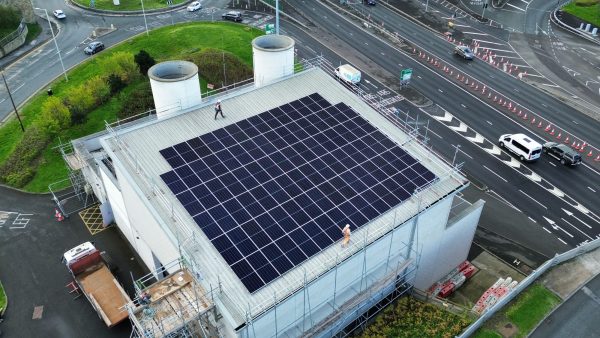
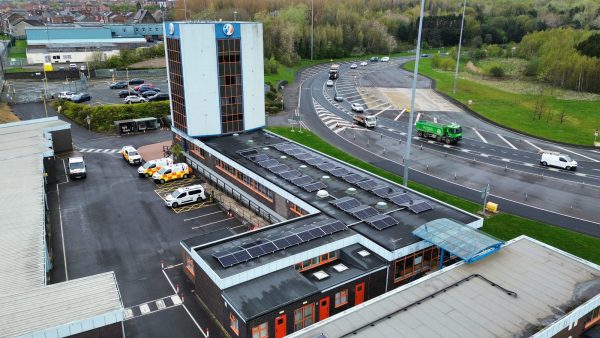
For example, DVC’s recent project at the Tyne Tunnels involved works across three operational buildings. As Principal Contractor, DVC coordinated roof-mounted systems alongside structural integration, electrical installation, access arrangements, scaffolding, edge protection, material logistics and health and safety requirements.
The project demonstrates how roofing for critical infrastructure can involve much more than installing a roofing system. It requires an understanding of the building, its infrastructure and the operational environment in which the work is being delivered.
Communication With Stakeholders
Communication is particularly important when working on a live site. Building owners and facilities teams need to understand what work is taking place, when it will happen and whether any changes to access or normal operations are required.
At the Tyne Tunnels project, DVC worked closely with TT2 Limited and other project teams to coordinate programme requirements, access arrangements, safety considerations and operational constraints.
Regular communication can help potential issues to be identified earlier and allow the project team to respond before they affect programme progress.
Choosing a Commercial Roofing Contractor for Operational Sites
When selecting a contractor for a complex commercial roofing project, it is worth looking beyond the roofing system being proposed.
Consider the contractor’s experience with:
- Live operational environments
- Complex access requirements
- Large-scale commercial projects
- Stakeholder coordination
- Health and safety management
- Temporary works and edge protection
- Working around existing infrastructure
- Project planning and logistics
The right roofing contractor should be able to demonstrate not only technical roofing knowledge, but also the organisational capability required to manage a project within a busy operational environment.
DVC Experience in Commercial roofing
Commercial roofing on critical infrastructure requires careful planning, strong communication and a practical understanding of how roofing work interacts with the wider site.
DVC Commercial Roofing has experience delivering technically complex projects where access, safety, logistics and operational continuity all need to be considered alongside the roofing requirements.
The Tyne Tunnels project is one example of how careful coordination can help deliver specialist works across operational facilities while maintaining the standards required for a complex infrastructure environment.
If your organisation is planning commercial roofing works on an operational site, working with an experienced contractor from the outset can help ensure the project is properly planned around your building, your people and your operational requirements.
FAQ: Roofing Services for Transport Infrastructure
What is critical infrastructure roofing?
Critical infrastructure roofing refers to roofing work carried out on buildings and facilities that support essential services, transport, public infrastructure, utilities or other important operations.
What are the challenges of roofing in a live operational environment?
The main challenges can include maintaining safe access, coordinating deliveries, managing work around staff and visitors, protecting existing infrastructure and minimising disruption to ongoing operations.
How can commercial roofing work minimise disruption to an operational site?
Careful planning, clear communication, phased working, coordinated access arrangements and appropriate site safety measures can help roofing contractors complete work while allowing normal operations to continue.
What should you consider when choosing a roofing contractor for Transport or infrastructure facilities?
Consider the contractor’s experience with complex commercial projects, live operational environments, health and safety management, access requirements, logistics and coordination with other contractors and stakeholders.
Can roofing work be carried out while a commercial building remains operational?
Yes. Many commercial roofing projects can be completed while a building remains operational, provided the work is properly planned and appropriate access, safety and logistical controls are put in place.