Industrial Roof Ventilation: Preventing Condensation in Warehouses
Industrial Roofing
Roof Ventilation is an important consideration in the design and performance of industrial buildings. Warehouses, factories and large commercial premises can experience significant changes in temperature and humidity throughout the year, creating conditions that contribute to condensation, excess heat and poor internal air quality.
While roofing systems are primarily designed to protect buildings from the elements, the right industrial roof ventilation system can also play an important role in managing the internal environment.
For businesses operating large industrial facilities, understanding how roof ventilation works and which solutions are available can help improve building conditions, protect stored goods and support the long-term performance of the property.
Why Is Industrial Roof Ventilation Important?
Industrial buildings often have large internal spaces with high ceilings, extensive roof areas and limited opportunities for natural airflow. Without suitable ventilation, warm, moisture-laden air can accumulate inside the building.
This can lead to several issues, including condensation, uncomfortable working temperatures and increased moisture levels.
Effective industrial roof ventilation helps encourage air movement, allowing warm air to escape and supporting the circulation of fresh air throughout the building.
For warehouses and manufacturing facilities, this can be particularly important. Manufacturing processes, machinery, vehicle movements and the storage of certain materials can all contribute to internal heat and moisture.
A suitable ventilation strategy can help manage these conditions while supporting a more comfortable and functional working environment.
What Causes Condensation in Warehouses and Factories?
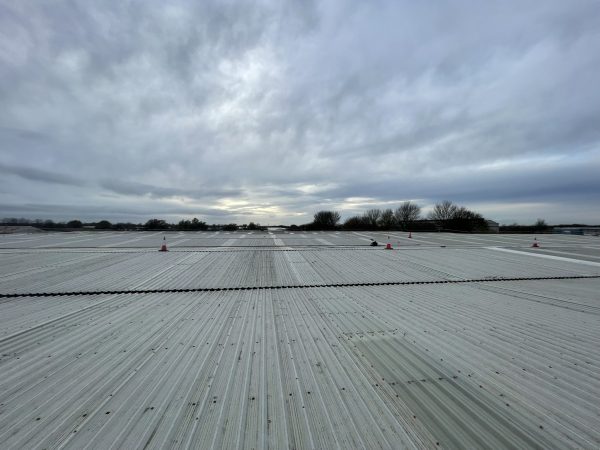
Warehouse roof condensation is a common concern, particularly during colder months when the temperature difference between the internal and external environments becomes more noticeable.
Condensation occurs when warm, moisture-rich air comes into contact with a colder surface, such as the underside of a metal roof or other building components. As the air cools, moisture can form droplets on the surface.
Several factors can contribute to condensation in industrial buildings:
- Temperature differences: Warm internal air meeting cold roofing materials can create ideal conditions for condensation.
- Poor ventilation: Insufficient airflow allows moisture to accumulate inside the building.
- Industrial processes: Manufacturing equipment, washing facilities and other activities can introduce additional moisture into the air.
- Inadequate insulation: Poorly performing or unsuitable insulation can contribute to cold internal surfaces and temperature variations.
If left unmanaged, condensation can affect stored products, equipment and building components. It may also contribute to corrosion and deterioration of certain materials over time.
Industrial building ventilation, combined with appropriate insulation and moisture management, can help reduce these risks.
Different Types of Industrial Roof Ventilation Systems
There are several types of roof ventilation systems used in industrial and commercial buildings. The most suitable option will depend on the building’s size, layout, intended use and existing roofing structure.
Natural Roof Ventilation
Natural roof ventilation uses the movement of air and differences in temperature and pressure to encourage airflow without relying on powered fans.
As warm air rises, it can escape through appropriately positioned roof ventilators, allowing cooler air to enter through designated openings elsewhere in the building.
This approach can be particularly useful in large warehouses and industrial premises where natural airflow can be incorporated into the building design.
Ridge Ventilation Systems
Ridge ventilation systems are installed along the highest point of a pitched roof, providing an outlet for rising warm air. As heat naturally accumulates towards the roof space, ridge ventilators can help release it outside, supporting air circulation throughout the building.
They can form part of a wider industrial roof ventilation strategy, particularly where the building’s roof design allows for effective natural airflow.
Mechanical Roof Ventilation
Mechanical ventilation systems use powered equipment, such as extraction fans, to move air through a building.
These systems can be useful where natural ventilation alone cannot provide the required level of airflow. They are often considered for industrial facilities with higher heat or moisture levels, although their design needs to reflect
How Can DVC Roofing Support Industrial Properties
Maintaining an effective industrial roofing system involves more than protecting a building from the elements. Factors such as ventilation, insulation and moisture management all contribute to the long-term performance of warehouses, factories and other industrial premises.
At DVC Commercial Roofing Contractors, we support industrial property owners and businesses with professional commercial and industrial roofing solutions. Whether you are planning a new commercial roofing project, upgrading an existing system or looking to improve your building’s overall performance, our team can help you explore the right approach for your premises.
By considering the specific requirements of each industrial property, we help businesses invest in roofing solutions designed to provide lasting protection, reliability and performance.
Get in touch with DVC Commercial Roofing Contractors to discuss your industrial roofing requirements and find out how we can support your next project.