Roof Sheeting and Cladding: The Ultimate Waterproofing Solution

Roof Sheeting and Cladding for Warehouses & Industrial Buildings
Warehouses and industrial buildings rely on durable roofing and cladding to protect their contents, equipment and day-to-day operations. As large buildings are exposed to changing weather conditions throughout the year, choosing suitable materials is essential for maintaining their condition and performance.
Roof sheeting and cladding provide protection against rain, wind and general environmental wear. They can also contribute to better insulation, improved energy efficiency and the overall appearance of an industrial building.
Whether constructing a new facility or upgrading an existing property, there are several factors to consider when choosing the right system. In this guide, we look at the benefits of modern sheeting and cladding, the materials available and what businesses should consider when planning a project.
Why Quality Sheeting and Cladding Matter
Industrial buildings often cover large areas, meaning their external surfaces need to withstand considerable exposure to the elements. A suitable roofing and cladding system helps protect the structure while creating a more controlled internal environment.
Some of the main benefits include:
- Weather Protection: Properly installed systems help prevent rainwater penetration and protect the building from wind and other environmental conditions.
- Thermal Efficiency: Insulated panels and suitable roofing materials can help regulate internal temperatures and reduce energy consumption.
- Durability: Quality materials are designed to withstand general wear, weathering and environmental exposure.
- Appearance: Modern cladding can improve the external appearance of older industrial buildings and give new facilities a clean, professional finish.
Choosing appropriate materials from the outset can make a significant difference to the long-term performance of a building.
Choosing the Right Materials
There are several materials available for industrial roofing and cladding, each offering different characteristics depending on the building’s requirements.
Metal roof sheeting is a popular option due to its strength, durability and suitability for large roof areas. Composite panels are another choice, particularly where insulation and thermal performance are important considerations.
Other systems may be more suitable depending on the building’s design, existing structure and intended use.
When selecting materials, it is important to consider factors such as expected lifespan, weather resistance, insulation requirements and the overall condition of the building.
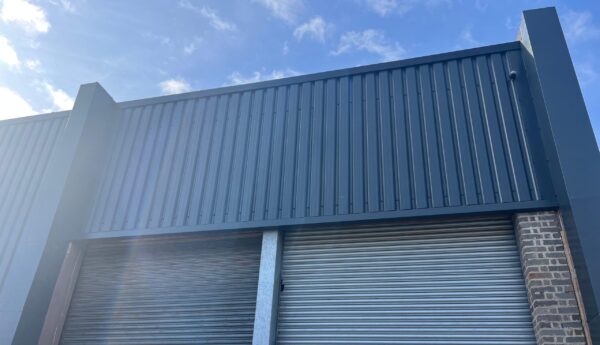
Important Factors to Consider:
Before starting a new installation or refurbishment project, businesses should consider several important factors.
Building Requirements: Every industrial building is different. Its size, structure, purpose and existing condition will influence which materials and systems are most suitable.
Budget and Long-Term Value: Initial costs are important, but it is also worth considering the expected lifespan and ongoing upkeep of the materials. Investing in a suitable system can help reduce the likelihood of premature deterioration and unnecessary repairs.
Energy Efficiency: Insulation plays an important role in maintaining comfortable internal conditions. For warehouses and facilities that require temperature control, choosing materials with suitable thermal properties can help improve efficiency.
Safety and Compliance: Any installation should take account of relevant building regulations, fire performance requirements and structural considerations. Working with appropriately qualified contractors helps ensure these factors are considered throughout the project.
Contractor Experience: Industrial roofing projects can involve large areas, specialist materials and complex installation requirements. Choosing an experienced contractor is important for achieving a suitable finish and ensuring the work is completed safely.
The Long-Term Benefits: A well-designed system offers benefits beyond protecting a building from the weather.
Durable materials can help reduce the frequency of repairs, while improved insulation may contribute to lower energy costs. Upgrading older external surfaces can also improve the appearance and overall condition of an industrial property.
For businesses planning future improvements, modernising existing roofing and cladding can be a worthwhile investment, particularly where ageing materials are no longer performing as they should.
Examples of Completed Projects
Looking at previous projects can help demonstrate the different approaches involved in industrial roofing and refurbishment work.
DVC Roofing has completed a range of projects involving upgrades, insulation improvements and specialist roofing solutions, including:
- Velocity – Industrial Oversheeting and Insulation Upgrade
- Waterproofing Solution for GSK Units 2 & 3
- The Fish Tank, Northallerton
These projects provide examples of the different requirements and solutions involved in improving existing buildings.
Looking After Your Roof and Cladding
Once installed, regular checks can help maintain the condition of external surfaces and identify signs of deterioration.
Areas such as joints, fixings, drainage points and roof edges should be monitored, particularly following periods of severe weather. Addressing minor defects early can help prevent water ingress and more extensive damage.
Where concerns are identified, a professional assessment can help establish whether repairs, refurbishment or replacement are the most appropriate options.