
Emergency Roof Repair Services
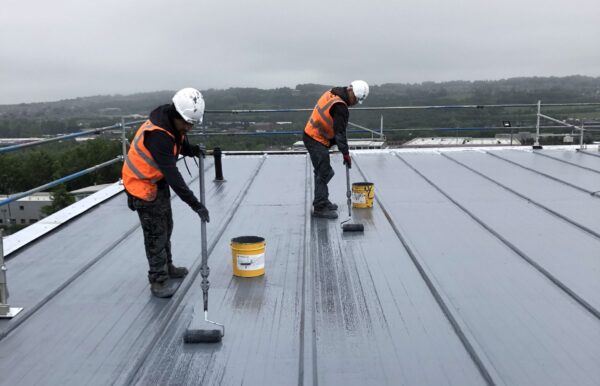
What Causes Leaks in Commercial Roofs?
Emergency roof issues can develop quickly and often without warning, particularly in commercial and industrial buildings exposed to harsh weather conditions. High winds, heavy rainfall, and long-term wear can all contribute to sudden roofing failures that require immediate attention.
Understanding what causes emergency roof damage and how these issues develop can help property owners react quickly and reduce the risk of further structural problems.
This guide explains the most common causes of emergency roof issues in commercial roofing systems and how they typically occur.
Sudden Storm and Weather Damage
One of the most common causes of emergency roofing issues is severe weather. Strong winds, heavy rain, hail, and snow can all place sudden pressure on roofing materials.
In commercial flat roofing systems, storm damage may lead to:
- Dislodged or lifted membrane sections
- Water ingress through exposed areas
- Damage to flashing or roof edges
- Blocked or overwhelmed drainage systems
Even a small point of failure can quickly allow water to enter the building during extreme weather conditions.
Blocked or Overflowing Drainage Systems
Drainage is critical for commercial flat roofs. When gutters, outlets, or internal drains become blocked, water can accumulate rapidly on the roof surface.
This can lead to:
- Localised flooding on the roof
- Increased structural load
- Water entering weak points in the roofing system
- Accelerated membrane deterioration
In emergency situations, standing water can quickly worsen existing minor defects and turn them into active leaks.
Membrane Failure and Ageing Roof Systems
Over time, roofing membranes naturally degrade due to exposure to UV rays, temperature changes, and general weathering.
As roofing systems age, they may develop:
- Cracks or splits in the surface
- Separation at joints or seams
- Reduced flexibility in materials
- Weak points around roof penetrations
When these issues reach a critical point, water can enter the building suddenly, often appearing as an emergency leak rather than a gradual problem.
Poor Previous Repairs or Installation Issues
Not all roofing problems are caused by weather or age. In some cases, emergency issues arise from previous poor-quality repairs or installation defects.
Common underlying issues include:
- Incorrectly sealed joints
- Poor flashing detailing
- Inadequate drainage design
- Use of incompatible materials
These weaknesses may remain hidden for some time before failing unexpectedly under pressure.
Structural Movement
All buildings experience some level of structural movement over time. Expansion, contraction, and natural settling can place stress on roofing systems.
This movement can lead to:
- Cracking in roofing materials
- Separation at seams
- Stress around roof penetrations and joints
When combined with ageing materials, structural movement can contribute to sudden roofing failures.
What to Do in a Roofing Emergency
When a commercial roof begins leaking or shows signs of sudden damage, the priority is to limit further water ingress and protect internal assets.
Common immediate steps include:
- Identifying visible entry points if safe to do so
- Moving sensitive equipment or materials away from affected areas
- Containing internal water ingress where possible
- Seeking professional assessment as soon as possible
Emergency roof issues should always be assessed by qualified roofing professionals to prevent further damage to the structure.
Why Emergency Roof Problems Should Not Be Ignored
Even small leaks can escalate quickly in commercial buildings. Water ingress can affect insulation, internal ceilings, electrical systems, and structural components.
Delaying action may result in:
- Increased repair scope
- Higher long-term costs
- Disruption to business operations
- Accelerated roof system failure
Early assessment is essential in limiting damage and planning appropriate repairs.
Understanding Emergency Roofing Response
Emergency roofing situations typically require rapid assessment and stabilisation rather than full system replacement.
In many cases, the first priority is to:
- Identify the source of the leak
- Prevent further water ingress
- Stabilise affected areas
- Plan longer-term repair solutions
This approach helps control damage while allowing for a structured repair process.
Preventing Future Emergency Roof Issues
While emergency roofing problems cannot always be avoided, regular monitoring and maintenance can significantly reduce risk.
Key preventative measures include:
- Routine roof inspections
- Drainage system checks
- Early identification of membrane wear
- Monitoring roof movement or structural changes
Understanding the condition of a roofing system over time helps reduce the likelihood of unexpected failures.
Final Thoughts
Emergency roof damage in commercial buildings can occur for a variety of reasons, including weather exposure, ageing materials, drainage issues, and structural movement.
Recognising the early signs of roofing deterioration and understanding how emergency situations develop allows property owners to take faster and more informed action when problems arise.
FAQ: Commercial Roofing
What commercial roofing services does DVC Roofing provide?
DVC Roofing provides a complete range of commercial roofing services, including roof surveys, repairs, refurbishment, replacement, waterproofing, roof sheeting, cladding, overcladding and insulation upgrades. We work with businesses, property owners, facilities managers, main contractors and other commercial clients across the UK.
How do I choose the right commercial roofing company?
Choosing the right commercial roofing company involves looking at experience, technical expertise, relevant accreditations, previous projects and the contractor’s ability to manage the requirements of your building. DVC Roofing has more than 30 years’ experience delivering commercial roofing and building envelope solutions.
What makes DVC Roofing a commercial roofing specialist?
DVC Roofing specialises in commercial and industrial roofing rather than domestic roofing. Our experience covers large commercial buildings, warehouses, factories, manufacturing facilities, retail premises and other complex properties, with solutions tailored to the condition and requirements of each building.
When should a commercial roof be refurbished rather than replaced?
A commercial roof refurbishment may be appropriate where the existing roof structure remains suitable, but the waterproofing, insulation, fixings or other components have deteriorated. A detailed roof condition survey can help determine whether repair, refurbishment, overcladding or complete replacement is the most appropriate option.