
Commercial Flat Roof Installation Process for Office Buildings
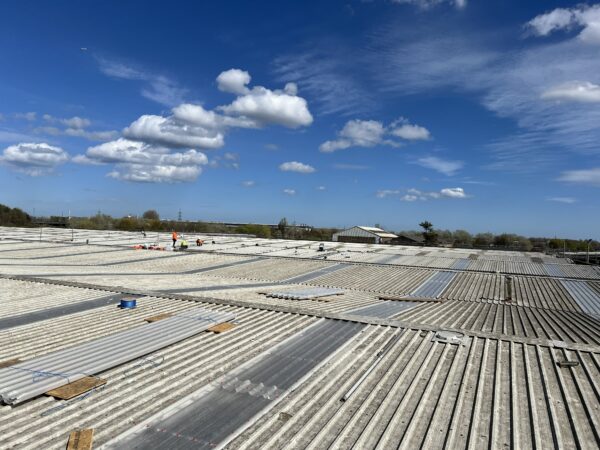
Commercial Flat Roof Installation
Commercial flat roof installation requires careful specification, experienced installation and minimal disruption to the building’s operations. DVC Roofing installs commercial flat roofing systems for offices and commercial properties across the UK, including built-up felt, single-ply membranes and liquid-applied systems.
Why Commercial Roof Installation Matters
A commercial roof is one of the most important assets of any office building. Unlike residential properties, commercial buildings often operate continuously, meaning roof performance directly affects business operations.
A professionally installed system from a trusted commercial roofing contractor helps to:
- Prevent costly water ingress and internal damage
- Improve energy efficiency and thermal performance
- Extend the lifespan of the building structure
- Reduce ongoing maintenance and repair costs
- Minimise disruption to tenants and staff
Without proper installation, even small defects can escalate into significant operational issues, leading to downtime and expensive reactive repairs.
Flat Roofing Systems
Choosing the right system is essential for long-term performance. A professional commercial roofing service will assess the building before recommending the most suitable solution.
Built-Up Felt Roofing Systems
One of the most common systems used in UK commercial buildings. It provides multiple waterproof layers, strong durability, and excellent value for money. Ideal for office buildings requiring long-term protection at a controlled cost.
Single Ply Membrane Systems
A lightweight and efficient option often used on large commercial roofs. It offers quick installation times and strong energy efficiency performance, making it suitable for modern office environments.
Liquid Applied Roofing Systems
Liquid roofing is ideal for complex roof shapes or refurbishment projects. It creates a seamless waterproof membrane, reducing weak points and improving long-term resistance to water ingress.
Solar and Energy-Compatible Roofs
Many modern commercial properties now integrate solar panels or energy systems into flat roof designs. This improves sustainability and can significantly reduce long-term energy costs.
Flat Roof Installation Process
A structured installation process ensures quality, compliance, and long-term performance. Experienced commercial roof contractors follow a step-by-step approach to minimise risk and disruption.
The existing roof is fully inspected to identify damage, structural issues, and suitability for overlay or replacement.
- Specification and Planning
A tailored installation plan is developed based on building use, budget, and performance requirements. This ensures the correct materials and system are selected.
- Roof Preparation
The existing surface is either stripped or prepared for overlay installation. Proper preparation is critical to ensure adhesion and long-term stability.
The chosen system is installed according to manufacturer specifications, including insulation, waterproof layers, and detailed finishing around penetrations and drainage points.
- Final Inspection and Testing
Once complete, the roof undergoes a full inspection to ensure it meets compliance standards and performance expectations.
Minimising Disruption During Roofing Projects
One of the biggest concerns for office and commercial property owners is disruption during installation. A professional commercial roofing contractor will plan works carefully to ensure business operations can continue safely.
This typically includes:
- Phased installation to keep parts of the building operational
- Controlled access routes for staff and tenants
- Noise and safety management procedures
- Clear communication throughout the project
For occupied office buildings, this level of planning is essential to maintaining productivity and safety.
Lifespan of a Commercial Flat Roof
The lifespan of a commercial flat roof depends on the system installed and the quality of workmanship. On average:
- Built-up felt systems: 15–25 years
- Single ply systems: 20–30 years
- Liquid systems: 20–25+ years
Regular inspections and maintenance from a reliable commercial roofing service can significantly extend the lifespan of any system and help prevent unexpected repair costs.
Signs a Commercial Roof Needs Replacement
Office buildings may require a new installation if the following issues occur:
- Persistent leaks or water ingress
- Blistering, cracking, or surface deterioration
- Standing water that does not drain properly
- Rising energy costs due to heat loss
- Frequent repairs with no long-term improvement
When these issues appear, full replacement is often more cost-effective than ongoing reactive repairs.
Flat Roofs for Commercial Buildings
Commercial roof installation is highly specialised and requires technical knowledge, planning, and compliance expertise. Working with experienced commercial roof contractors ensures the project is completed safely and to a high standard.
A professional contractor will provide:
- Full health and safety compliance
- Correct system specification for the building
- High-quality installation and detailing
- Minimal disruption to business operations
- Long-term warranties and performance assurance
At DVC Commercial Roofing, we deliver tailored roofing solutions for office and commercial buildings, focusing on durability, efficiency, and long-term value.
- Commercial Roofing in Newcastle
- Commercial Roofing in Leeds
- Commercial Roofing in Manchester
- Commercial Roofing in London
Final Thoughts
A commercial flat roof installation is a long-term investment in the protection and performance of your building. Choosing the right system and contractor ensures reduced maintenance costs, improved energy efficiency, and reliable protection for years to come.
Working with a trusted commercial roofing contractor ensures your project is delivered safely, efficiently, and with minimal disruption to your operations, giving you confidence that your property is fully protected well into the future.
FAQ: Commercial Flat Roof Installers
What is commercial flat roof installation?
Commercial flat roof installation involves designing and fitting a durable roofing system for office buildings and commercial properties. Professional commercial roof installers ensure the correct materials, insulation, waterproofing, and finishing details are used for long-term performance.
What types of commercial flat roofing systems are available?
Common commercial flat roofing systems include built-up felt roofing, single ply membranes, and liquid applied roofing. The right option depends on the building structure, budget, energy requirements, and long-term maintenance needs.
How long does a commercial flat roof last?
A professionally installed commercial flat roof can last between 15 and 30 years depending on the roofing system, installation quality, and maintenance. Regular roof inspections and repairs help extend its lifespan.
How much does commercial roof installation cost?
The cost of commercial roof installation depends on factors such as roof size, materials, insulation requirements, and project complexity. A specialist commercial roofing contractor can provide an accurate quotation after completing a roof survey.
Can a commercial flat roof be installed while a building is occupied?
Yes. Experienced commercial roof contractors plan installations carefully using phased work, safety measures, and clear communication to minimise disruption to staff, tenants, and daily operations.
When does a commercial roof need replacement?
A commercial roof replacement may be required when there are persistent leaks, damaged surfaces, poor insulation, or repeated repair issues. Replacing an ageing roof can often reduce long-term maintenance costs.
Why choose professional commercial flat roof contractors?
Working with experienced commercial flat roof contractors ensures the system is installed correctly, meets safety standards, and provides reliable protection against water ingress. Professional commercial flat roof waterproofing contractors also help improve durability and prevent future issues.