
How UK Heatwaves Impact Office Roofs and Building Performance
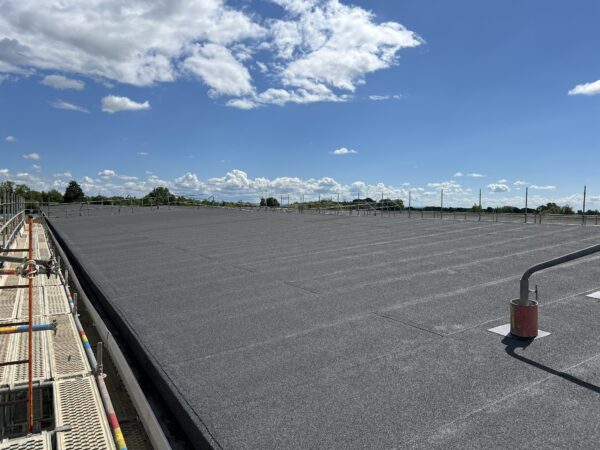
Commercial Roofers for Offices Across the UK
As UK summers become increasingly warmer, office building owners and facilities managers are facing new challenges when it comes to maintaining comfortable, efficient workplaces.
While air conditioning systems often take centre stage during periods of extreme heat, the roof plays a critical role in regulating building temperatures and protecting the overall performance of an office and commercial property.
For many modern offices, particularly those with a commercial flat roof, prolonged exposure to high temperatures can lead to increased energy costs, accelerated wear and tear, and reduced indoor comfort. Understanding how heatwaves affect roofing systems can help businesses take preventative action and avoid costly repairs in the future.
Why Heatwaves Put Extra Pressure on Office Roofs
During a heatwave, roof surfaces can become significantly hotter than the surrounding air temperature. A roof exposed to direct sunlight throughout the day may reach temperatures exceeding 70°C, especially on dark-coloured roofing materials commonly used in commercial properties.
This constant exposure to heat places stress on roofing systems for flat roofs, causing materials to expand during the day and contract as temperatures cool overnight. While roofing materials are designed to accommodate some movement, repeated thermal cycling can eventually weaken seams, flashing details, and waterproofing membranes.
For office buildings, these issues can affect not only the roof itself but also the performance of the entire building.
Increased Cooling Costs and Reduced Energy Efficiency
One of the most immediate impacts of a heatwave is the increased demand placed on cooling systems. When a roof absorbs excessive heat, that heat transfers into the building below, making it more difficult to maintain comfortable indoor temperatures.
In office environments, this can result in:
- Higher energy bills
- Increased strain on HVAC systems
- Reduced employee comfort and productivity
- Greater carbon emissions
Well-designed commercial flat roofing systems can help minimise heat transfer through effective insulation and reflective roofing materials. However, older roofs or those with damaged insulation may struggle to provide adequate thermal protection during prolonged periods of hot weather.
This is why many property owners are investing in upgrades and improvements as part of broader commercial roof replacement services and refurbishment programmes.
Heatwave-Related Problems on Commercial Flat Roofs
Many office buildings across the UK feature commercial flat roofs due to their practicality and cost-effectiveness. However, these roof designs can be particularly vulnerable to certain heat-related issues.
Membrane Deterioration
UV radiation is one of the biggest threats to a commercial flat roof. Over time, exposure to sunlight can cause roofing membranes to become brittle, crack, or lose flexibility. During a heatwave, this deterioration process can accelerate.
Thermal Movement
Expansion and contraction can place stress on roof joints and flashings. If these components begin to fail, water ingress can occur during future periods of rainfall.
Ponding Water Issues
Summer storms often follow periods of extreme heat. If drainage systems are not functioning correctly, standing water can accumulate on flat roofs, increasing the risk of structural damage and leaks.
Premature Ageing
Consistent exposure to high temperatures can reduce the lifespan of roofing materials, leading businesses to require commercial roof refurbishment services or replacement sooner than expected.
The Impact on Workplace Comfort
Office buildings are designed to provide productive working environments. However, when roofing systems are unable to effectively regulate heat transfer, indoor conditions can quickly become uncomfortable.
Employees working beneath poorly insulated roof sections may experience:
- Uneven temperatures throughout the office
- Overheated meeting rooms
- Increased reliance on portable cooling equipment
- Reduced productivity during peak summer periods
For organisations operating from large commercial buildings, addressing roofing performance can significantly improve workplace comfort while supporting long-term energy efficiency goals.
Modern Commercial Roofing Solutions Combat Heat
Today’s roofing technology offers a range of options specifically designed to improve building performance during extreme weather conditions.
A professional commercial roofing company can recommend solutions such as:
High-Performance Insulation
Modern insulation systems help prevent heat transfer, reducing cooling demands and improving year-round energy efficiency.
Reflective Roofing Materials
Reflective surfaces absorb less solar energy, helping to keep roof temperatures lower during periods of intense sunlight.
Advanced liquid-applied systems provide seamless waterproof protection while enhancing durability and resistance to UV degradation.
Preventative Maintenance Programmes
Regular inspections allow businesses to identify potential issues before they develop into major problems requiring commercial roof leak repair or more extensive remedial work.
The Importance of Summer Roof Surveys
Many property owners wait until visible problems appear before arranging an inspection. However, summer is actually one of the best times to conduct a commercial roof survey.
A professional assessment can identify:
- Early signs of membrane deterioration
- Damaged flashings and joints
- Areas of trapped moisture
- Drainage issues
- Insulation performance concerns
Techniques such as roof moisture mapping can also help detect hidden moisture beneath roofing membranes before leaks become apparent inside the building.
By addressing minor issues early, businesses can avoid unexpected disruption and reduce the likelihood of requiring emergency repairs later in the year.
Choosing the Right Commercial Roofing Contractor
Whether managing a single office building or an extensive property portfolio, working with experienced commercial roof contractors is essential.
A reputable commercial roofing company will provide tailored recommendations based on the building’s age, construction type, and operational requirements.
This may include ongoing commercial roof maintenance, refurbishment works, or complete commercial roof installation services where existing systems have reached the end of their lifespan.
For organisations planning major upgrades, experienced commercial roof installers can advise on the most suitable materials and roofing systems to improve resilience against future heatwaves and changing weather patterns.
Preparing Office Buildings for Future Summers
Climate experts predict that periods of extreme heat will become increasingly common across the UK. As a result, building owners must view roofing performance as a key part of their long-term asset management strategy.
Investing in modern commercial roofing solutions can help businesses:
- Reduce cooling costs
- Improve employee comfort
- Extend roof lifespan
- Protect valuable assets
- Improve sustainability performance
By taking proactive steps today, office building owners can ensure their properties remain comfortable, efficient, and protected throughout future summers.
Conclusion
Heatwaves are no longer rare events in the UK, and their impact on office buildings should not be underestimated. From rising energy bills and reduced workplace comfort to accelerated roof deterioration, prolonged periods of hot weather place significant pressure on commercial roofing systems.
Regular inspections, preventative maintenance, and investment in high-quality roofing systems for flat roofs can help businesses protect their properties and maintain peak building performance.
Whether you require commercial roof maintenance, refurbishment, or complete commercial roof installation services, addressing roofing issues before they escalate can save significant time and money in the long run.