Understanding Thermal Movement in Commercial Roofing Systems
Commercial Roofing Systems
Commercial roofing systems are designed to withstand changing weather conditions, but even the most durable commercial roof is affected by temperature. As temperatures rise and fall, roofing materials naturally expand and contract. This movement is known as thermal movement and, when not properly considered during roof design and installation, it can contribute to stress, damage and premature deterioration.
For building owners and facilities managers, understanding how thermal movement affects a commercial roof can help identify potential problems early and ensure the roofing system continues to perform as intended.
What Is Thermal Movement in Roofing?
Thermal movement occurs when roofing materials change size in response to temperature fluctuations. Most materials expand when heated and contract when cooled.
While these changes may be small, they can become significant across a large commercial roof. A long expanse of membrane or other roofing material may experience repeated expansion and contraction throughout the year.
Commercial roofs can be exposed to considerable temperature changes. A roof may become significantly warmer than the surrounding air during direct sunlight before cooling rapidly after sunset. Seasonal changes can create even greater differences.
Thermal movement itself is not necessarily a defect. It is a natural characteristic of roofing materials. The important factor is whether your commercial roofing system has been designed and detailed to accommodate this movement.
Why Does Thermal Movement Matter on Commercial Roofs?
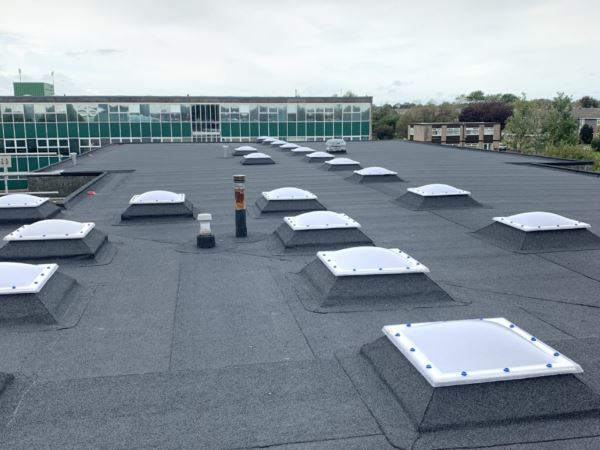
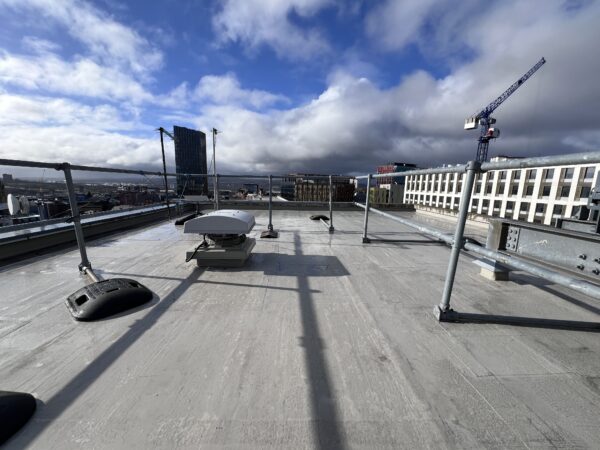
Commercial and industrial buildings often have large roof areas with extensive runs of roofing materials. This is particularly relevant to commercial flat roofing, where large areas of membrane, insulation and associated components can be exposed to repeated temperature changes.
The greater the roof area, the more important it becomes to consider how different components will respond to temperature changes.
If movement is not adequately accommodated, repeated expansion and contraction can place stress on roofing materials, joints, fixings and connections.
Over time, this may contribute to issues including:
- Cracking or splitting of roofing materials
- Stress around joints and seams
- Movement or distortion of metal components
- Damage around roof penetrations
- Problems with flashings and details
- Water ingress and leaks
- Premature deterioration of the roofing system
These problems may not appear immediately. Repeated thermal cycling can gradually place additional stress on vulnerable areas, which is why regular commercial roof inspections are an important part of commercial roof maintenance.
Which Parts of a Roofing System Are Affected?
Thermal movement can affect several parts of a commercial roofing system, including membranes, metal components, fixings, flashings, roof penetrations and junctions. These areas can experience stress as materials expand and contract with temperature changes.
Experienced commercial roofing contractors consider how all these components work together to accommodate movement and protect the roof’s waterproofing.
The Role of Expansion Joints
Expansion joints help a roofing system accommodate controlled movement caused by temperature changes. Their design and positioning depend on the building and roofing system, and poor detailing or maintenance can increase the risk of water ingress.
How Roofing Systems Accommodate Thermal Movement
A well-designed commercial roofing system is designed to manage rather than prevent thermal movement. Material selection, fixing methods, membrane installation, joints and roof detailing all play a role.
Different systems, including metal roofing and single-ply membranes, respond differently to temperature changes, making professional design and installation important for long-term performance.
Can Thermal Movement Cause Roof Leaks?
Thermal movement can contribute to leaks if repeated expansion and contraction damages seams, joints, flashings or areas around roof penetrations. However, leaks can have many other causes, including poor drainage, ageing materials, mechanical damage and defective detailing.
A professional inspection can identify the underlying problem and determine whether commercial roof repair is required.
Signs of Movement-Related Problems
Possible warning signs include:
- Cracks or splits in roofing materials
- Damaged or distorted flashings
- Deteriorated joints or seams
- lose or damaged fixings
- Recurring leaks
- Distorted metal components
- Damage around roof penetrations
These signs should be investigated promptly to prevent minor defects from developing into more serious roofing problems.
Why Regular Commercial Roof Inspections Matter
Regular commercial roof inspections can identify defects, deterioration and potential movement-related problems before they become costly repairs. Inspections should pay particular attention to joints, flashings, penetrations, drainage points and other vulnerable areas.
Regular inspections are also an important part of commercial roof maintenance services, helping building owners plan repairs and maintain the lifespan of their roofing system.
Managing Thermal Movement Through Professional Roofing
Thermal movement is a normal part of how commercial roofing systems respond to temperature changes. The aim is to manage and accommodate this movement through appropriate materials, installation methods and detailing.
For building owners and facilities managers, regular maintenance and professional roof inspections can help protect the performance and lifespan of a commercial roof.
At DVC Commercial Roofing Contractors, we provide commercial roofing services tailored to the requirements of each building and roofing system. If you are concerned about your roof or have noticed signs of deterioration, a professional inspection can help identify the cause and recommend the appropriate next steps.
Our Commercial Roofing Services
At DVC Commercial Roofing Contractors, we provide a range of commercial roofing services designed to protect and maintain commercial and industrial properties.
Our services include:
- Flat Roofing – Professional flat roofing solutions for commercial properties.
- Commercial Roof Replacement – Complete roof replacement solutions for ageing or damaged commercial roofs.
- Solar PV Systems – Solar PV solutions designed to integrate with commercial roofing systems.
- Industrial Roof Sheeting and Rainscreen Cladding – Roofing and cladding solutions for industrial buildings.
- Roof Maintenance & Emergency Roof Repairs – Ongoing maintenance and responsive repairs to help protect your roof and prevent further damage.
If you’re concerned about thermal movement, leaks or deterioration, our team can assess your commercial roof and recommend the most appropriate solution.