
Minimising Business Disruptions During Commercial Roofing Projects

Commercial Roof Project Management
Replacing or repairing a commercial roof does not necessarily mean closing your business. With careful planning, many commercial roof projects can be completed while staff, customers, tenants and day-to-day operations continue as normal.
The level of disruption will depend on the size and condition of the building, the type of work required, access arrangements and the roofing system being installed. Working with an experienced roofing contractor from the beginning can help identify potential problems and create a practical plan around your business.
Start With a Clear Project Plan
Every successful roofing project starts with a detailed plan. Before work begins, your contractor should assess the building and discuss your operational needs. This allows them to create a schedule that works for your business.
Many commercial roofing services can be carried out during quieter periods. Some projects may be completed during weekends, evenings, or planned shutdowns. This approach helps reduce disruption and keeps staff productive.
Keep Communication Open
Good communication is essential. Employees, tenants, and visitors should know what to expect before work starts. Regular updates can prevent confusion and help everyone prepare.
A professional commercial roofer should provide clear information about:
- Project timelines
- Access restrictions
- Safety measures
- Expected noise levels
- Weather delays
When people know what is happening, the project runs more smoothly.
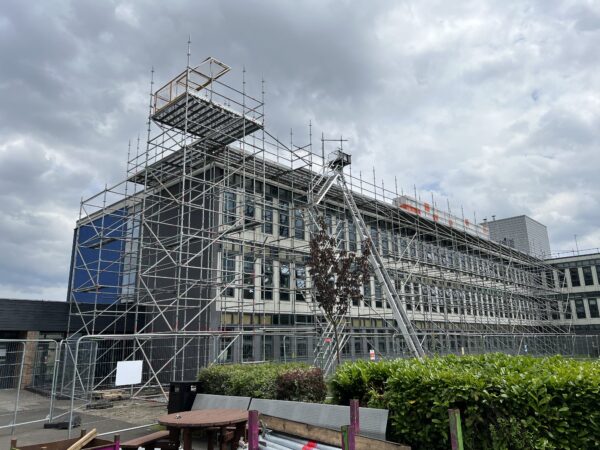
Maintain Safe Roof Access Systems
Customers and staff still need to enter and leave the building. During a commercial roof installation, safe walkways and clear signs should be provided. Access points should remain open whenever possible.
This is especially important for shops, offices, schools, and healthcare facilities. Many businesses that use commercial roofing services Leeds providers expect contractors to prioritise safety and accessibility throughout the project.
Reduce Noise Where Possible
Roofing work can be noisy. However, there are ways to minimise the impact. Contractors can schedule louder tasks outside peak business hours. Businesses can also move meetings or sensitive activities away from affected areas.
Simple planning can make a big difference. An experienced commercial roofer will help identify the best times to carry out disruptive work.
Protect Equipment and Stock
Commercial buildings often contain valuable equipment and inventory. Before starting a commercial roof replacement, contractors should take steps to protect internal assets. This may include temporary coverings, dust protection, and regular inspections. These measures help prevent damage and reduce risk.
Consider Modern Roofing Solutions
Modern roofing systems can help shorten project times. For example, liquid roofing systems can often be applied with less disruption than traditional methods. In some cases, they can be installed over existing roof surfaces.
This reduces waste and speeds up the process. Many property owners choose liquid roofing systems because they offer a practical and cost-effective solution.
Special Considerations for Industrial Buildings
Industrial sites often require specialist expertise. Projects involving industrial roofing and cladding must be carefully planned around daily operations. Factories, warehouses, and manufacturing facilities cannot afford unnecessary downtime.
Experienced industrial cladding contractors understand these challenges. They can phase the work and coordinate with site managers to keep operations running.
Don’t Ignore Moisture Issues
Roofing projects are a good opportunity to improve building performance. A condensation risk analysis can identify moisture problems before they become expensive repairs. It helps ensure the roofing system performs as intended.
Completing a condensation risk analysis before installation can improve energy efficiency and extend roof life.
Use Phased Installation
Large buildings may benefit from phased work. Instead of completing the entire replacement at once, contractors can divide the roof into sections. This allows parts of the building to remain fully operational during the project.
Phased roofing work reduces disruption and improves flexibility.
Work With an Experienced Commercial Roofing Contractor
Not all commercial roofing companies offer the same level of service. Look for commercial roofing contractors with experience in similar projects. Ask about safety procedures, communication processes, and project management.
If your building requires industrial roofing and cladding, choose a specialist with proven expertise. The right contractor will focus on both roofing quality and business continuity.
Final Thoughts
Commercial roofing works does not automatically mean business operations have to stop. Careful scheduling, clear communication, safe access arrangements and appropriate protection can help reduce disruption while work is underway.
Every building is different, so the best approach will depend on the roof, the property and how the business uses the site. By discussing these factors with your roofing contractor before work begins, you can develop a project plan that balances the needs of the building with the needs of the people using it.
Whether the project involves repairs, refurbishment or a complete replacement, good preparation can make the process safer, more predictable and easier for your business to manage.
FAQ: Commercial Roof Project Management
Can my business stay open during a commercial roof replacement?
Yes. Most businesses can continue operating during a commercial roof replacement with proper planning and communication.
How long does a commercial roof replacement take?
Most projects take a few days to several weeks. The timeline depends on the roof size and complexity.
What do commercial roofing contractors do?
Commercial roofing contractors install, repair, maintain, and replace roofing systems on commercial buildings.
What services does a commercial roofer provide?
A commercial roofer can carry out inspections, repairs, maintenance, refurbishments, and full roof replacements.
What are commercial roofing services?
Commercial roofing services include roof inspections, repairs, maintenance, waterproofing, and roof installation.
Can businesses remain open during a commercial roof installation?
Yes. A professional commercial roof installation can often be completed while the business remains operational.
What are liquid roofing systems?
Liquid roofing systems are waterproof coatings applied directly to a roof surface. They create a seamless protective layer.
What is a condensation risk analysis?
A condensation risk analysis identifies areas where moisture could build up within a roof system.
What is industrial roofing and cladding?
Industrial roofing and cladding protect industrial buildings from weather while improving insulation and appearance.
Why hire industrial cladding contractors?
Industrial cladding contractors have the expertise to install and maintain cladding systems safely and efficiently.
How often should commercial roof inspections be carried out?
Most experts recommend commercial roof inspections at least twice a year and after severe weather.