Planning Commercial Roofing Without Disrupting Warehouse Operations
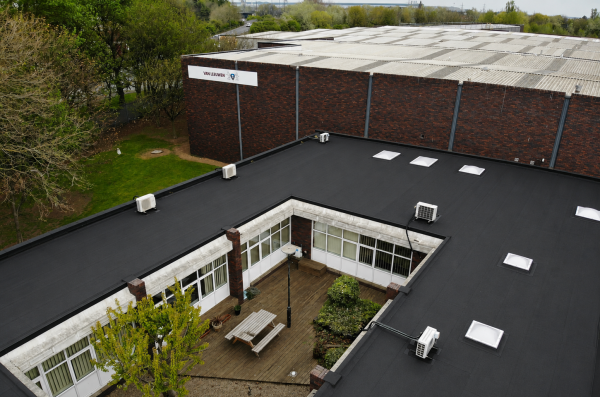
Roofing Without Disruption Warehouse Operations
Roofing work is an important part of maintaining a warehouse but, carrying it out while the building remains operational can be challenging. Deliveries, staff movements, stored goods and daily workloads all need to be considered before work begins.
With careful planning, repairs and improvements can be completed while keeping disruption to a minimum. The key is to understand the condition of the roof, agree a suitable schedule and make sure everyone on site knows what to expect.
Why Warehouse Roofing Projects Need Careful Planning
Warehouses often operate throughout the day, with vehicles moving in and out and staff working across large areas. Roofing work can affect these activities, particularly when contractors need access to loading bays, roof areas or parts of the building used for storage.
Before work starts, consider how the project could affect normal operations. Identifying potential problems early makes it easier to plan around them and avoid unnecessary delays.
Assess the Roof Before Work Begins
The first step is to understand exactly what work is needed. A roof inspection can help identify leaks, damaged materials, drainage problems and areas where the waterproofing may be deteriorating.
Not every roofing issue requires a full replacement. In some cases, targeted repairs or maintenance may be enough to extend the life of the existing roof.
A professional commercial roof survey can help establish the condition of the roof and identify the most appropriate next steps. Having a clear scope of work also makes it easier to estimate timescales and plan around warehouse activities.
Protect Stock and Equipment
One of the main concerns during warehouse roofing work is protecting the goods and equipment stored inside the building.
Even a small leak can cause problems if water reaches stock, machinery or electrical equipment. Before work begins, identify any areas that may be vulnerable and decide whether goods need to be moved or covered.
Contractors should also consider how materials and equipment will be brought onto the roof. Planning access routes and designated working areas can help keep storage and operational spaces clear.
Schedule Work Around Deliveries and Staff
Timing can make a significant difference to how smoothly a roofing project runs.
Where possible, agree working hours that fit around the warehouse’s busiest periods. For example, work near loading bays may be easier to complete outside peak delivery times.
It is also important to communicate the schedule to warehouse managers and staff. Everyone should know which areas may be restricted, when contractors will be on site and whether any temporary changes to access are required.
For larger projects, completing the work in phases may help keep more of the building available for normal use.
Manage Health and Safety on Site
Roofing work involves risks, particularly when contractors are working at height or handling materials above occupied areas.
A suitable plan should cover safe roof access, fall protection, material handling and the separation of contractors from warehouse staff and visitors.
Any areas below active work should be assessed and, where necessary, restricted to prevent people entering potentially hazardous zones. Site managers and contractors should agree responsibilities before work starts.
Clear communication is essential throughout the project, especially if working areas or access arrangements need to change.
Allow for Weather and Unexpected Delays
Weather can affect the progress of roofing work. Heavy rain, strong winds and low temperatures may make certain tasks unsafe or prevent materials from being installed correctly.
A realistic programme should allow for possible delays and include arrangements for protecting the building if work cannot be completed as planned.
Temporary waterproofing and secure coverings may be needed if the roof is opened up during repairs or replacement. This helps reduce the risk of water entering the warehouse while the project is underway.
Choose a Contractor with Relevant Experience
Working on an operational warehouse requires more than roofing knowledge alone. Contractors need to understand how their work affects the wider site and be prepared to coordinate with the people responsible for daily operations.
When comparing contractors, look at their experience with commercial and industrial buildings, the roofing systems they work with and how they approach safety and project planning.
It is also worth discussing timescales, access requirements and how disruption will be managed before agreeing to the work.
Depending on the building and its requirements, solutions may include liquid applied waterproofing, roof repairs or replacement. The right option will depend on the existing roof condition and the needs of the property.
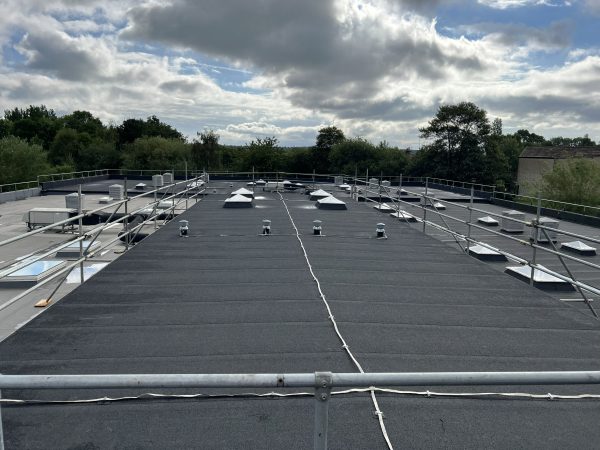
Warehouse Roofing Project Checklist
Before work begins, make sure you have considered:
- The condition of the existing roof and the work required.
- Whether stock or equipment needs to be moved or protected.
- Contractor access and safe working areas.
- Delivery schedules and busy periods.
- Communication with warehouse staff and site managers.
- Weather contingencies and temporary waterproofing.
- The expected programme and any phased working arrangements.
Planning Your Warehouse Roofing Project
A well-planned roofing project can help protect a warehouse without causing unnecessary disruption to the business operating inside it. Understanding the roof’s condition, coordinating schedules and keeping everyone informed all contribute to a smoother process.
DVC Roofing provides commercial and industrial roofing services, including repairs, maintenance and replacement work. If your warehouse roof needs attention, contact the team to discuss the building and the work required.