
How to Extend the Lifespan of Your Commercial Roof
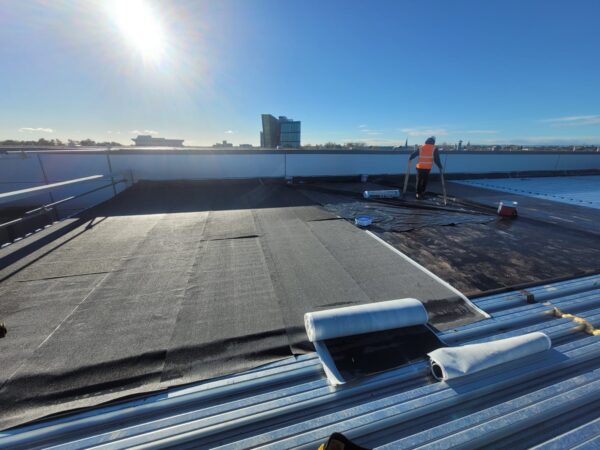
How to Make Your Commercial Roof Last Longer
A commercial roof is one of the most valuable parts of any building. It protects stock, equipment, staff, and operations. Many people overlook it until something goes wrong. With the proper care, a commercial roofing can last 15-40 years but neglect can cut that lifespan in half.
The good news is that with proper maintenance, owners and facility managers can save money. They can also avoid downtime and get the best return on their investment. Here are practical, actionable tips to help extend the lifespan of your commercial roof.
1. Schedule Regular Commercial Roof Inspections
Regular commercial roof inspection are the single most effective way to spot small issues before they become significant problems. A commercial roof survey should happen at least twice a year.
These roofs face harsh weather all the time. They deal with heavy rain, strong winds, snow, and extreme temperatures. Over time, this exposure can cause wear and tear. This can lead to leaks, structural damage, and lower energy efficiency.
Benefits:
- Identify cracks, leaks or potential damages before they become major problems
- Protect against water intrusion and structural damage
- Plan repair before it interrupts business operations
- Extend the lifespan of your commercial roof

2. Keep Commercial Roof Drainage Systems Clear
Efficient water drainage is essential for preserving the integrity of a commercial roof and reducing the risk of leaks. A good drainage system stops water from pooling. This helps prevent damage to materials, structures, and costly water problems.
To achieve this, most commercial roofs use different drainage parts. These parts work together to safely direct water away from the building.
Action steps:
- Regular inspections and cleaning
- Address ponding water quickly
- Consider professional drainage check as part of routine maintenance
3.Prevent Damage from Foot Traffic and Rooftop Equipment
To prevent damage like punctures, tears, and cracks in the membrane, limit foot traffic and heavy equipment on commercial roofs. These issues can compromise the roof’s integrity and lead to water infiltration. In addition, heavy equipment places unnecessary stress on the roof structure, increasing the risk of long-term structural problems.
Solutions:
- Implement walkway systems
- Regular inspections and maintenance
- Use an approved roofing contractor for all penetrations
- Securely install equipment
4. Maintain Roof Insulation and Control Moisture
Good insulation and ventilation reduce condensation, prevent freeze, thaw damage, and improve energy efficiency. Poor ventilation can significantly shorten a roof’s lifespan.
- Insulation: Proper insulation reduces heat loss in winter and keeps buildings cooler in summer. This not only lowers energy bills but also eases stress on the roof membrane. This stress comes from constant expansion and contraction because of temperature changes. Poor insulation can allow heat to escape, leading to ice dams, condensation, and even structural damage over time.
- Ventilation: Without enough airflow, moisture can gather under the roof. This can cause condensation, mould, and rust on metal parts. Over time, this trapped moisture can damage insulation, reduce thermal performance, and shorten the commercial roof’s lifespan.
Signs to watch out for:
- Damp patches and mould
- Pooling water
- Increased energy bills
- Damaged or missing roof materials
5.Identify and Repair Commercial Roof Leaks Early
Keep a detailed log of all roof repairs, maintenance, and inspections. This record is invaluable for validating warranty claims, supporting insurance requests, and providing a clear history of your roof’s condition over time.
Keep a log of all roof repairs and inspections, this helps with insurance claims and warranty validity. Learn more about DVC roof maintenance and emergency roof repairs.
Looking for reliable commercial flat roofing contractors near me? Our team of experienced commercial roofing contractors specialises in every aspect of commercial flat roof installation and repair. Contact us today!
FAQ: Commercial Roof Maintenance
1. How Often should a commercial roof be inspected?
A useful starting point is a professional inspection at twice a year, typically in spring and autumn. The frequency should be adjusted to suit the roof’s material, age, condition, exposure and history of defects. Additional inspection may be appropriate after severe weather or building works.
2. How long does a commercial roof last?
Commercial Roof lifespan varies according to the roofing material, installation quality, exposure, maintenance history and building condition. Different roofing systems have different expected service lives, so a single lifespan estimate should not be applied to every commercial roof.
3. What are the most common causes of commercial roof leaks?
Common causes include damaged membranes, defective joints, deteriorated flashings, blocked drainage outlets, failed seals around roof penetrations and damage from foot traffic or equipment installations.
4. What is included in a commercial roof survey?
A commercial roof survey typically assesses the roof covering, joints, flashings, drainage, roof penetrations and visible signs of deterioration. Depending on the building and survey scope, further investigation may be recommended to assess insulation, moisture, the supporting structure or other concealed defects.
5. What is the difference between commercial roof repair and refurbishment?
A commercial roof repair addresses a specific defect or localised area of damage. Refurbishment is a broader programme of work intended to improve the condition or performance of an existing roofing system. The most appropriate option depends on the findings of a professional survey.